Why FutureX Keeps Code Review Tighter Than Copilot CLI
FutureX's native agent harness frames diffs with structured intent and inline rationale, giving developers a tighter code review loop than Copilot CLI's conversational pattern.
- AI code review
- agentic coding workflow
- FutureX code review
- Copilot CLI review
- developer productivity
- diff review
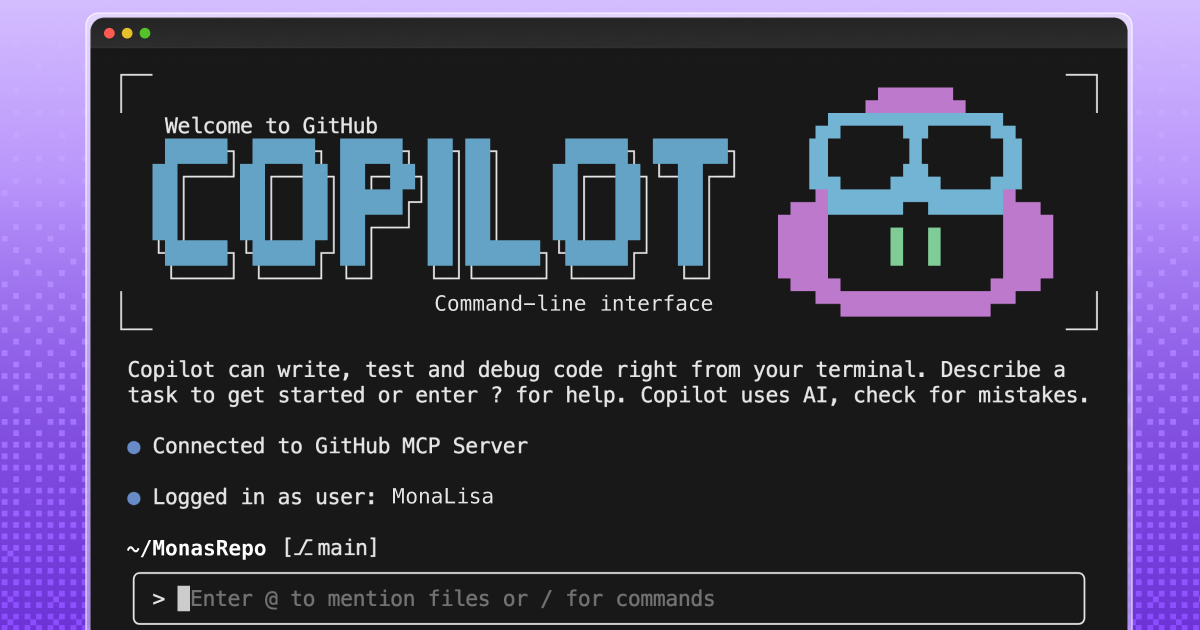
When you're deep in an agentic coding workflow, the review step is where trust is earned or lost. Both FIM's agent FutureX and GitHub Copilot CLI can generate substantial code changes, but they present those changes very differently. FutureX frames its output as a reviewable artifact: a diff with explicit intent, context, and per-hunk justification. Copilot CLI, by contrast, treats the session as a conversation, asking you to approve or reject changes through a chat-like loop. This difference shapes how fast you can review, how confident you are in what you merge, and whether the loop scales for a team.
The Debate: Diffs vs Chat#
Code review is fundamentally about understanding deltas. A good AI code review workflow doesn't just show you what changed; it tells you why it changed and what the agent believed at each step. FutureX's architecture is built around the diff as the core unit of review. The agent harness collects the full change set, attaches rationale to each modification, and presents it in a structured review view before you commit. That means you're not reconstructing intent from a transcript — you're reading a purpose-built artifact.
Copilot CLI's model is more conversational. You prompt, the agent proposes, you reject or refine, and the loop continues. That works in a terminal and feels natural when you're exploring an idea. But as change sets grow, the conversational pattern spreads critical information across multiple turns. You end up scrolling through chat history to piece together why a hunk exists or whether a particular objection was addressed. The diff is always the output, but the review process is the conversation.
How FutureX Frames Diffs for Review#
FutureX is not a chat wrapper around a model that happens to edit files. Its native agent harness treats the diff as first-class, and the review experience reflects that. When FutureX completes a coding task, it produces a structured change set: files modified, hunks added, and a high-level summary of the goal it was pursuing. This is not a stream of tokens; it's a curated artifact designed for developer productivity.
Structured context#
Every diff FutureX generates comes with a task header that states the original request, the approach taken, and any assumptions the agent made. This context is critical in an agentic coding workflow because it lets you verify the agent's plan before you even look at individual lines. Instead of asking the model "why did you do this?", the answer is already attached to the artifact. For example, if FutureX refactors a function, it will note the dependency change that motivated the refactor and flag any public API impact.
Diff annotation#
Beyond the summary, FutureX annotates individual hunks with a short justification: "extracted validation to keep the controller thin," "changed response shape to match the new client contract," or "removed dead branch after tracing callers." These annotations are not decorative. They let you review at the speed of intent rather than the speed of parsing. When you see a hunk you disagree with, you can reject just that hunk and send the agent back with targeted feedback — the loop stays local to the change, not the whole conversation.
Source: github.com
How Copilot CLI Approaches Review#
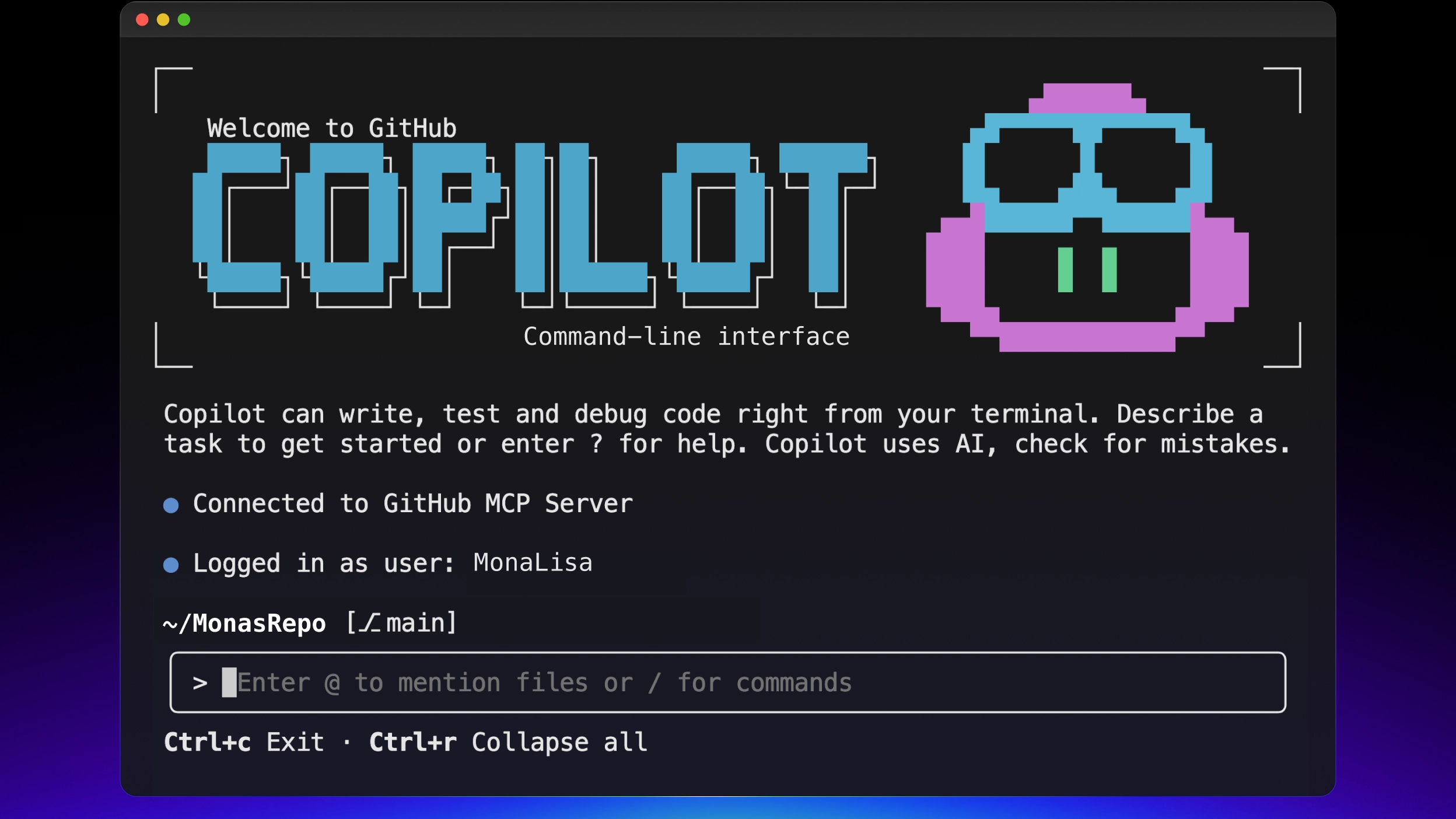
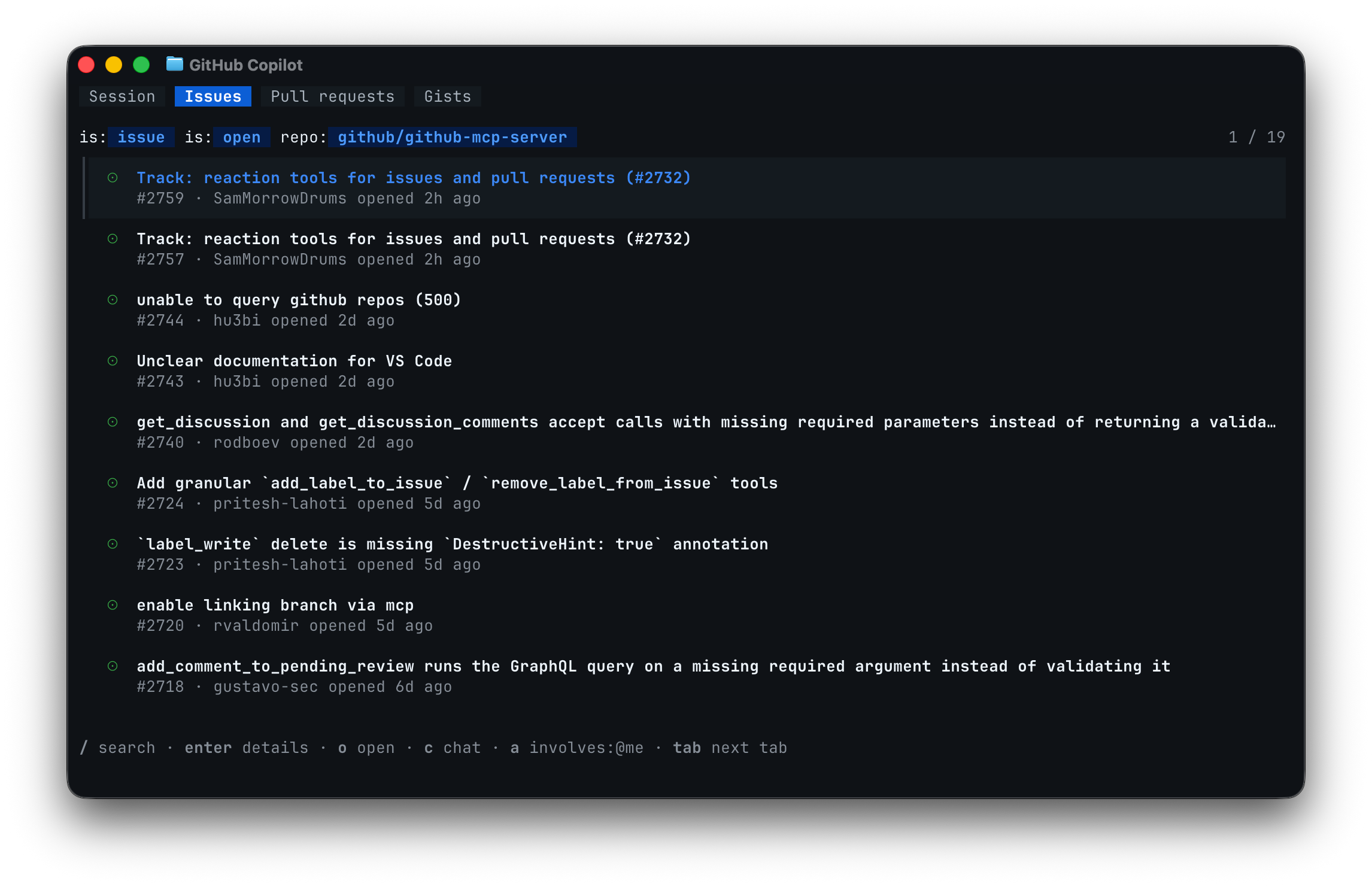
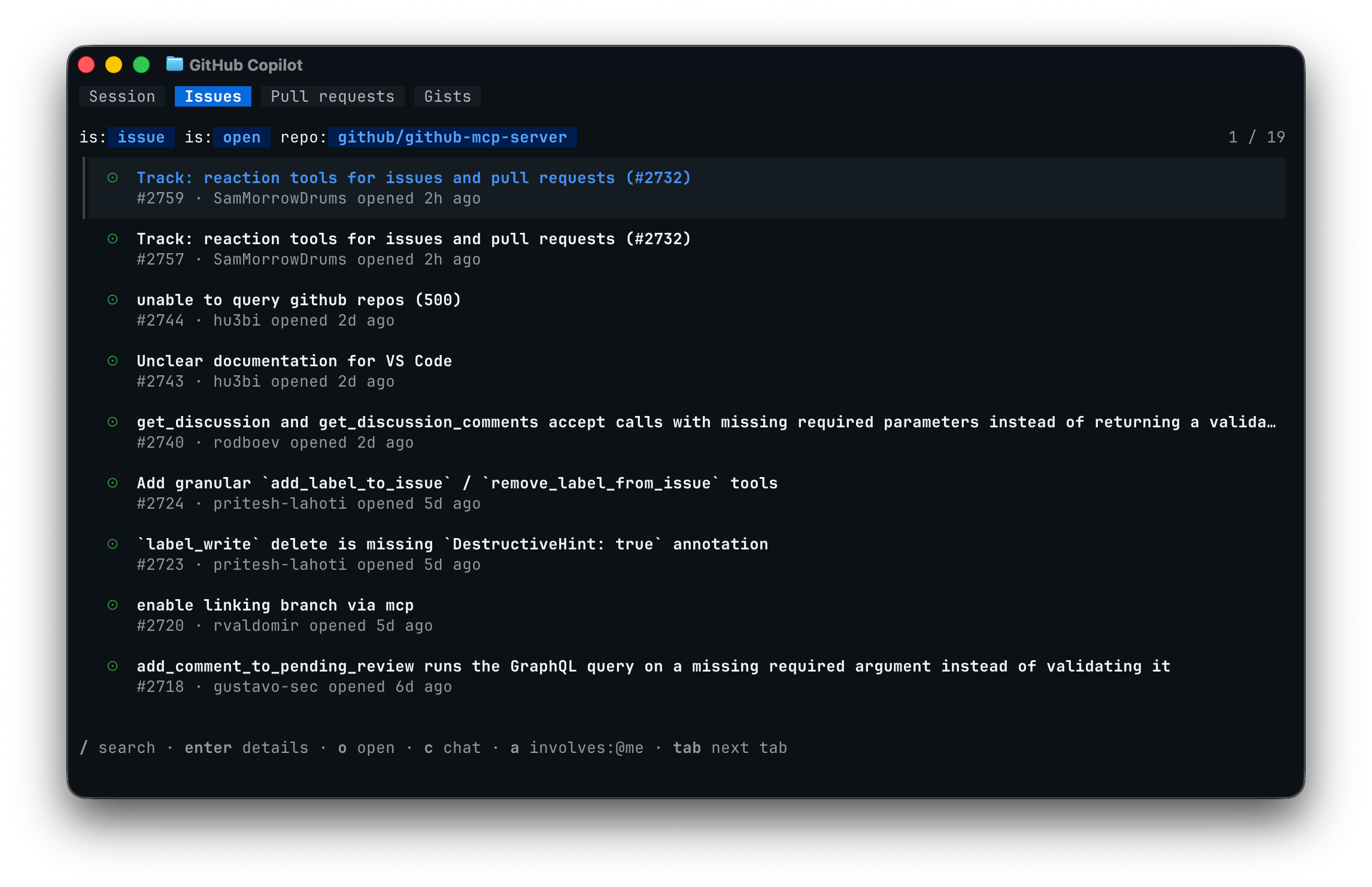
Copilot CLI is designed for interactive, terminal-first sessions. Its review pattern is inherently conversational: the agent makes an edit, shows you a compact summary or patch, and asks if you want to continue, adjust, or apply. That's a reasonable fit for small, exploratory changes where you're still shaping the approach. The strength is fluidity — you can nudge the agent with phrases like "no, keep the old error handling" and watch the next revision arrive without breaking concentration.
Conversational patch negotiation#
The weakness appears when the change set is larger or when multiple developers need visibility. A conversation thread is ephemeral and non-linear. Reviewing a Copilot CLI session after the fact means reading a transcript that mixes prompts, patch fragments, status messages, and your own interjections. There is no stable, self-contained artifact you can drop into a pull request or hand to a teammate. You must reconstruct the final state from the last message in the thread, which is brittle in any serious team setting.
That said, Copilot CLI excels at parallel exploration. You can run several sessions in different terminals, brainstorm approaches, and only promote the winning one to a real diff. The conversational review is a feature when the goal is discovery rather than delivery.
Source: github.blog
Solo Dev vs Team Patterns#
The right review loop depends on who is doing the reviewing and under what constraints. For a solo developer who lives in the terminal, conversational review can feel faster because there's no ceremony. You are both the author and the reviewer, so the context lives in your head. But for a team, the review artifact must be shareable, auditable, and stable.
Where FutureX wins#
FutureX's diff-centric review loop is a clear win for teams. The generated artifact is self-contained, so a teammate can review it without re-running the agent or reading your chat history. The hunk-level annotations make asynchronous review practical: someone can approve or reject each logical change with full context. Compliance-minded orgs also benefit from the audit trail — the diff plus rationale is stronger evidence of what happened than a CLI transcript.
FutureX also wins when you need to enforce review discipline. Because the output is a structured diff, it plugs into existing PR flows. You can run linting, tests, and policy checks against the same artifact a human will review. That tightens the loop between agent generation and human approval, reducing the cognitive overhead of switching from agent chat to a review tool.
Where Copilot CLI wins#
Copilot CLI's conversational review shines in early-stage, low-stakes coding. If you're prototyping a script, exploring an unfamiliar API, or reshaping a quick utility, the chat loop is low-friction. You don't need a full review document; you need a sparring partner. Solo developers often find that the conversational pattern keeps them in flow because they can immediately react to the agent's reasoning.
It also wins in scenarios where the diff is trivial and the real value is the back-and-forth. For a one-file fix or a rename, a structured review artifact is overkill. The conversational loop gives you just enough feedback to say "yes, that's what I meant" and move on.
Source: github.blog
Making the Choice#
Neither tool is universally better; they optimize for different parts of the agentic coding workflow. FutureX is optimized for correctness and reviewability at scale. Its native agent harness produces diffs that are ready for scrutiny, so your AI code review process becomes a deliberate checkpoint rather than a gamified chat. For teams, especially distributed ones, that is the difference between trusting the agent and redoing its work.
Copilot CLI is optimized for immediacy and conversational flexibility. It is a great companion for solo discovery sessions where the output is still fluid. But when the code needs to survive contact with a codebase, a CI pipeline, and other humans, a stable diff with intent attached is the safer foundation.
If your metric is developer productivity, measure it as time-to-merge, not time-to-first-edit. FutureX keeps the review loop tight by making every generated change self-explanatory. Copilot CLI keeps the loop tight by making every turn effortless. Pick the pattern that matches how your team actually reviews code — and if you need both, let the solo session evolve into a FutureX artifact before it reaches the pull request.
Related reading
The Reality Check: What Vibe Coding Still Doesn't Do for You (and How FutureX Fills the Gaps)
An honest look at where vibe coding breaks down and how FutureX's iterative, human-in-the-loop workflow covers debugging, security, and scaling.
vibe coding5 min read
Vibe Coding in VS Code: How FutureX Makes AI-Assisted Development Feel Natural
FutureX, the AI coding agent integrated into VS Code, enables vibe coding by allowing developers to describe features in plain language and receive working code, streamlining development workflows.
vibe coding5 min read

The FutureX Prompting Playbook: Write Better Prompts for Faster, More Reliable Code
Learn advanced prompt engineering patterns for FutureX — including context injection, iterative refinement, and error handling — to generate code that is both fast and dependable.
FutureX3 min read