Vibe Coding Beyond Autocomplete: Why FutureX Beats Copilot CLI for Whole-Project Prompts
FutureX treats the entire repository as a promptable unit, letting you vibe a feature end-to-end while Copilot CLI still forces you through autocomplete-era diff babysitting.
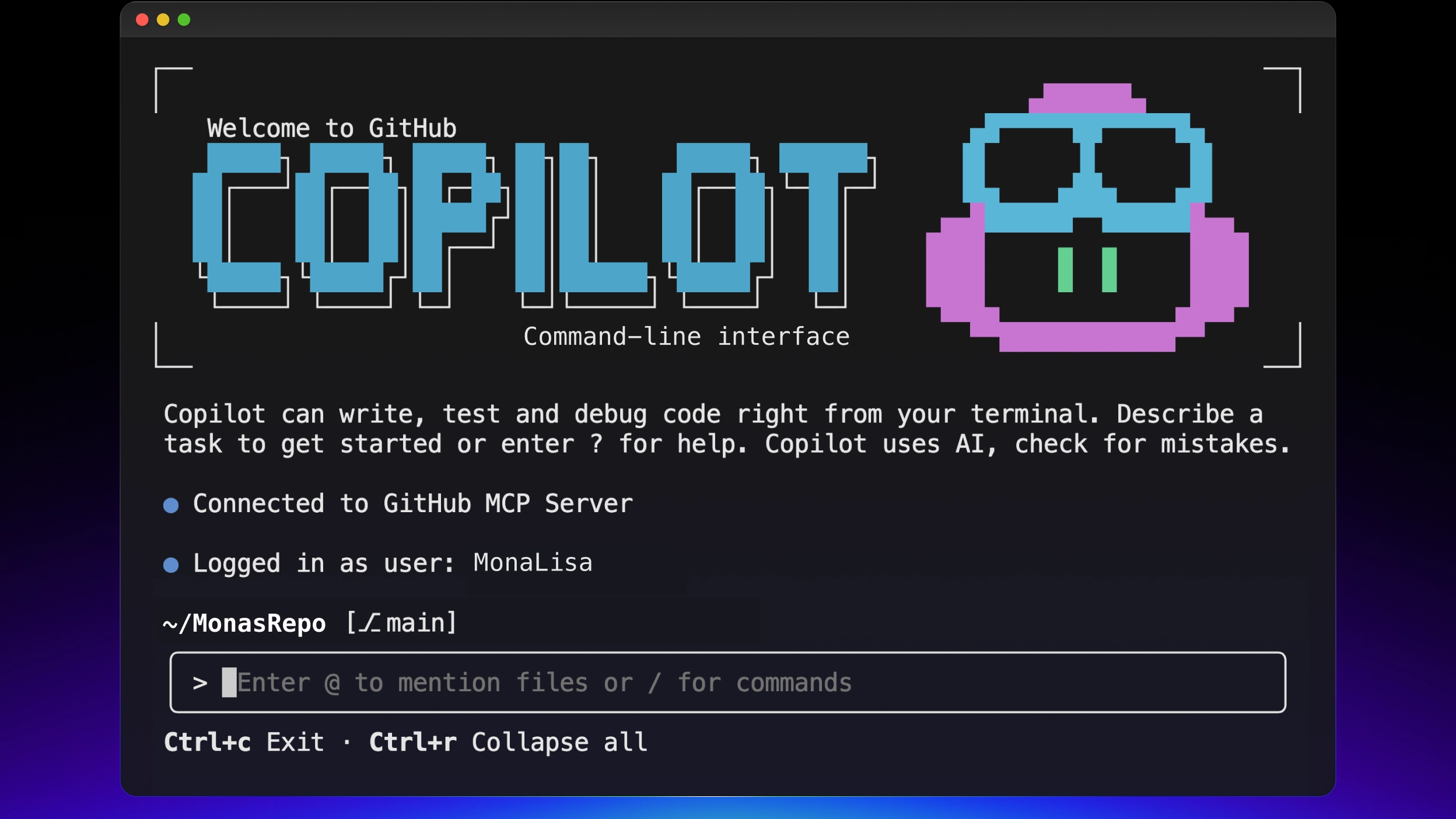
For years, vibe coding meant sprinting ahead of an autocomplete that could only see a few tokens into the future. Then GitHub Copilot CLI arrived, carrying that same autocomplete-era mindset into the terminal. FutureX coding agent takes a different approach: instead of predicting the next line, it treats the entire repository as a promptable unit. That single distinction changes what you can do with a natural-language prompt, from a quick snippet to a whole feature shipped without babysitting diffs.
The Autocomplete Mindset Lives On in Copilot CLI#
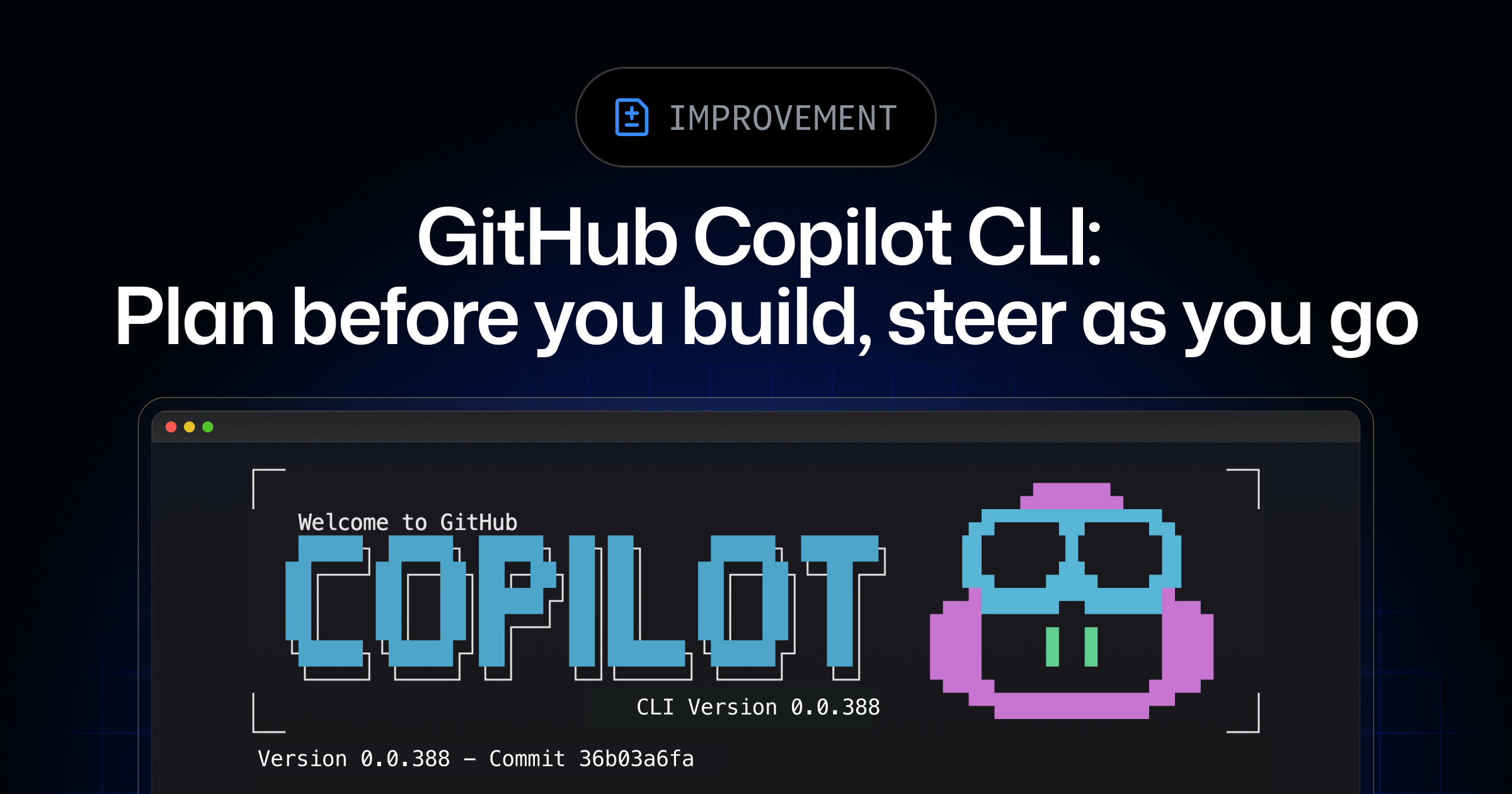
GitHub Copilot CLI is a natural evolution of Copilot's original autocomplete. It moves the assistant from the editor into the terminal, but the interaction model remains the same: you prompt, it suggests, you accept. That works fine for one-liners and short scripts. But when you ask it to touch multiple files across a project, the seams start to show.
What Copilot CLI Actually Does#
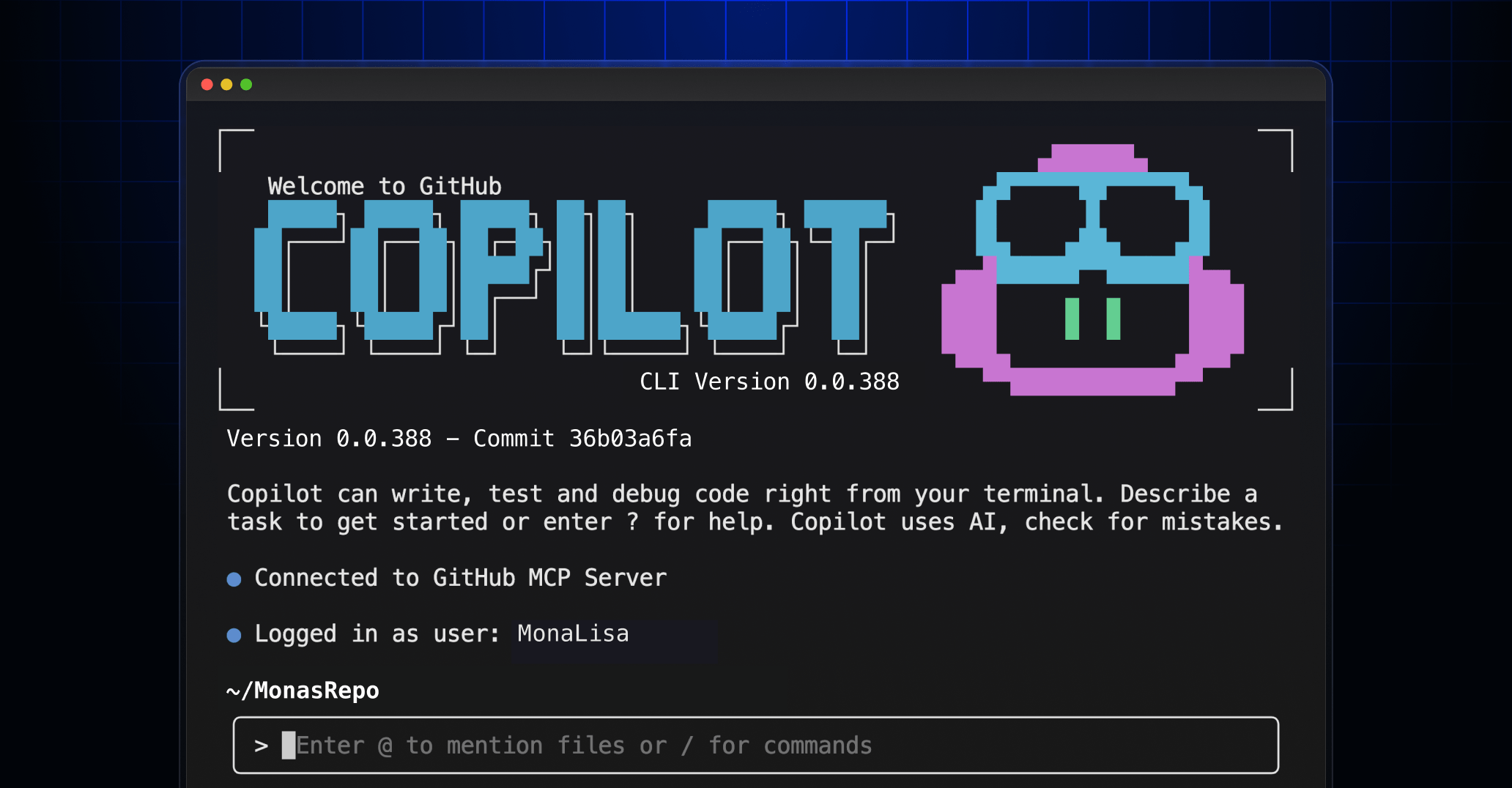
Copilot CLI can draft shell commands, explain code, and generate small diffs. It can read a few files if you point it at them, and it can use @ mentions to pull in repository context. But that context is transient. It is not a coherent model of your repository's architecture, dependencies, or conventions. Every prompt is a fresh negotiation: you describe what you want, it guesses, you correct, it guesses again.
The result is that any feature larger than a single file becomes a series of micro-prompts. You ask for a migration, then a model, then a route, then a service, then a test. Each step produces a diff that you must review, stash, apply, and carry forward manually.
Diff-Babysitting Is the Tell#
The clearest sign that Copilot CLI is still anchored to autocomplete-era UX is how much diff-babysitting it requires. Autocomplete works when the surrounding code constrains the next token. But a whole-project feature has no such local constraint. The model cannot see the relationships between files unless you feed them in. So you become the context-injector, the file-navigator, and the integration tester. You are not vibing; you are orchestrating.
Source: github.blog
FutureX Treats the Whole Repository as a Promptable Unit#
FutureX coding agent was designed from the ground up around the idea of AI whole-project generation. Instead of asking the model to autocomplete a line, you describe the outcome you want. FutureX builds a working model of your repository—import graph, symbol references, exported APIs, existing tests, configuration files, and historical conventions—and uses that model to make changes across the project coherently.
Repository Context, Not Just File Context#
When you invoke FutureX with a prompt, it does not just read the currently open file. It indexes the repository structure and resolves cross-file dependencies before generating anything. For instance, if you ask for a new API endpoint, FutureX knows where routes are registered, which database clients are already available, and how error responses are formatted in that codebase. It aligns the new code with your existing patterns without you having to spell out every convention.
This is a meaningful departure from autocomplete-era tools. Copilot CLI can be prompted to look at files, but FutureX has a persistent contextual view of the whole project. That is what makes vibe coding at feature scale possible. You can issue a single prompt like "add a paginated search endpoint with caching" and trust that the model will touch every necessary file in a consistent way.
From Prompt to PR: End-to-End Vibe#
FutureX does not stop at generating code. It can run tests, type checks, and linters, then iterate on failures. It can produce a commit-ready diff and even draft a PR description. The whole loop—plan, implement, verify, refine—happens under the umbrella of one prompt. This is prompt-driven development as it was meant to be: you steer the intent, and FutureX handles the mechanics.

Source: github.com
Side-by-Side: Vibe a Feature with Both Tools#
To make the difference concrete, consider a realistic task in a small Express + Redis codebase: "Add a /search?q=... endpoint that queries the database and caches results in Redis for 60 seconds." The repository already has a Redis client, a database pool, and a routes directory. Here is what the experience looks like with each tool.
Copilot CLI: A Series of Micro-Prompts#
You start by asking Copilot CLI to show the current route file. Then you prompt:
> add a GET /search route that returns results from the database
Copilot CLI generates a snippet. You review it, then realize you need to know how other routes access the database. Another prompt:
> how do other routes import the database pool?
You copy that import into your mental model. Next prompt: write the Redis caching logic. Then a prompt to register the route in app.js. Then a prompt to write a test. Each step requires you to synthesize the output and feed it into the next prompt. If the Redis client has a slightly different interface than the model assumed, you must discover that by bouncing between prompts and file contents.
This works, but you are doing the integration work. The model is never aware of the whole feature. It is only aware of the last few lines you pasted into the conversation. That is not vibe coding; it is supervised transcription.
FutureX: One Whole-Project Prompt#
With FutureX, you write the prompt once:
> Add a GET /search endpoint that queries the database and caches results in Redis for 60 seconds. Use the same response envelope as other routes, add a test, and run the test suite.
FutureX resolves the route registration, reuses the existing Redis helper, applies the response envelope from neighboring routes, adds a test that mocks the database or uses a test fixture, and then runs the suite. If a type error appears, FutureX fixes it and reruns. If the existing Redis client only supports setex rather than set, FutureX detects that from the repo and adapts.
You do not need to micro-manage files or manually chain prompts. The whole-project prompt becomes the single source of intent. This is the fundamental difference between an autocomplete that needs hand-holding and an agent that can carry a feature from prompt to PR.
Source: github.blog
Why Whole-Project Prompts Matter for Prompt-Driven Development#
Prompt-driven development is not just about typing English instead of code. It is about shifting the developer's mental load from implementation details to intent and review. That shift only works if the tool can see the whole project. Here is why.
Consistency Across Files#
A feature rarely lives in one file. Changing a route often requires updating a controller, a service, a type definition, and a test. If the model only sees one file at a time, it cannot maintain consistency. Names may mismatch, imports may break, and conventions may drift. FutureX's whole-repo context eliminates that class of errors because every generated file is aware of the others.
Automated Verification and Iteration#
Autocomplete tools cannot verify their completions. They output text; you run the tests. FutureX, by contrast, can execute your test suite and use failures as signals for follow-up changes. This closes the loop between generation and validation, which is a core requirement for AI whole-project generation. It means your vibe session ends when the tests pass, not when the model stops generating tokens.
Less Diff-Babysitting, More Flow#
Diff-babysitting is the enemy of flow. Every manual diff application breaks your concentration. FutureX produces a coherent, integrated change across the repository, so the review step becomes a single coherent story rather than a patchwork of micro-edits. You read the final diff, ask for tweaks, and approve. That is the vibe coding loop: prompt, review, refine, ship.
Conclusion#
GitHub Copilot CLI is a respectable tool for small, well-scoped questions. But it is still anchored to GitHub's autocomplete-era UX: one file, one snippet, one prompt at a time. FutureX coding agent elevates vibe coding by making the whole repository the promptable unit. With FutureX, you can describe a feature end-to-end and let the agent handle cross-file dependencies, verification, and iteration. For developers practicing prompt-driven development at scale, that is the difference between babysitting diffs and actually vibing.
Related reading
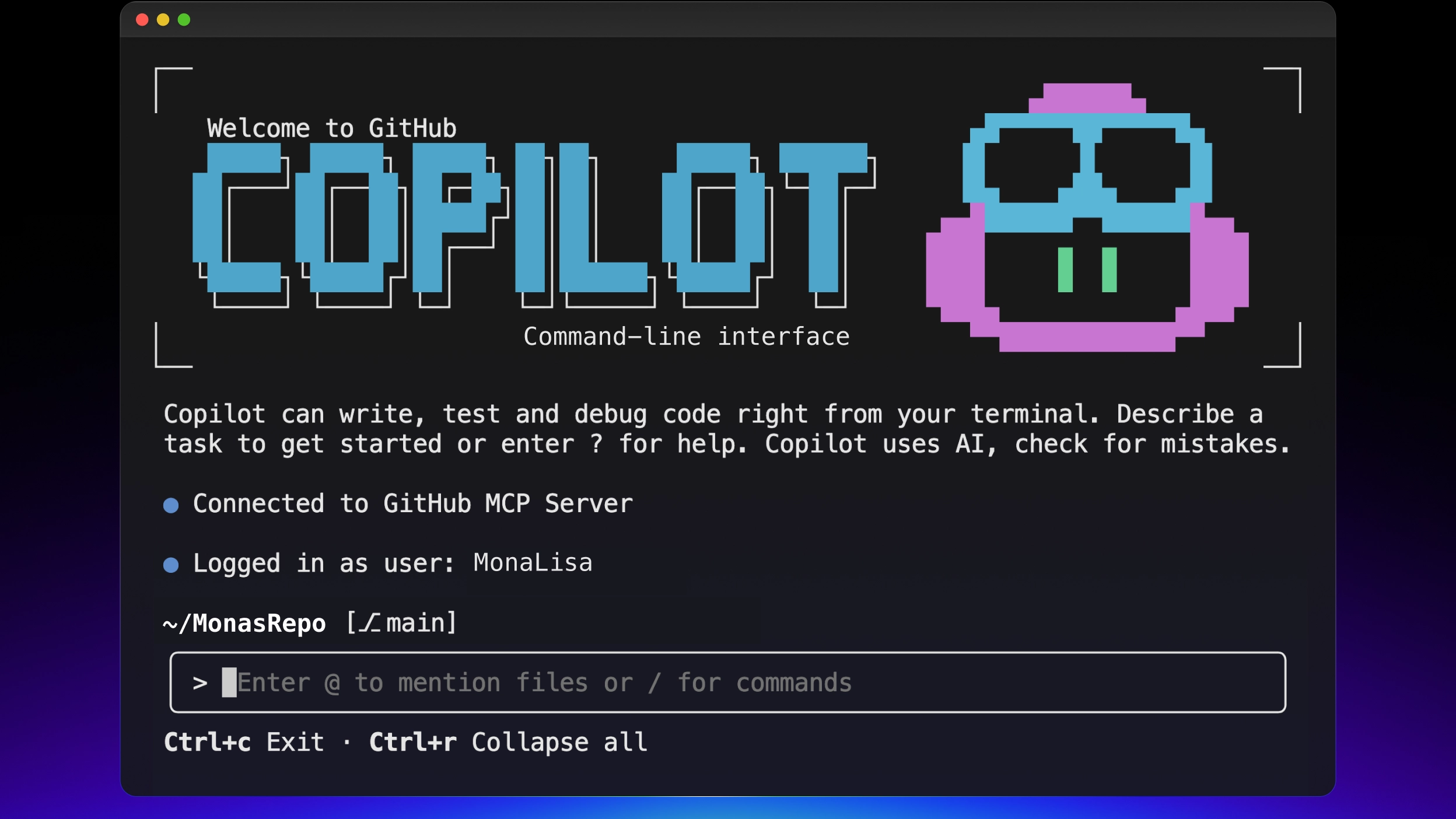
FutureX vs. GitHub Copilot CLI: Terminal Agent Showdown
A technical comparison of FutureX and GitHub Copilot CLI as terminal AI agents, covering model control, workflow, integration, cost, and security for vibe coders.
FutureX9 min read

Beyond the Vibe: Choosing Between Vibe Coding and Agentic Engineering
Vibe coding and agentic engineering are not quality levels but different practices for different contexts — here is a senior developer's framework for choosing between exploration and production.
vibe coding6 min read

The Future of Vibe Coding: 7 Trends Every Developer Should Know
A developer-focused look at the seven vibe coding trends that will define 2026, and how FutureX's roadmap is built around them.
vibe coding7 min read