The 34% Stat That Changes SaaS: FutureX for Non-Developers
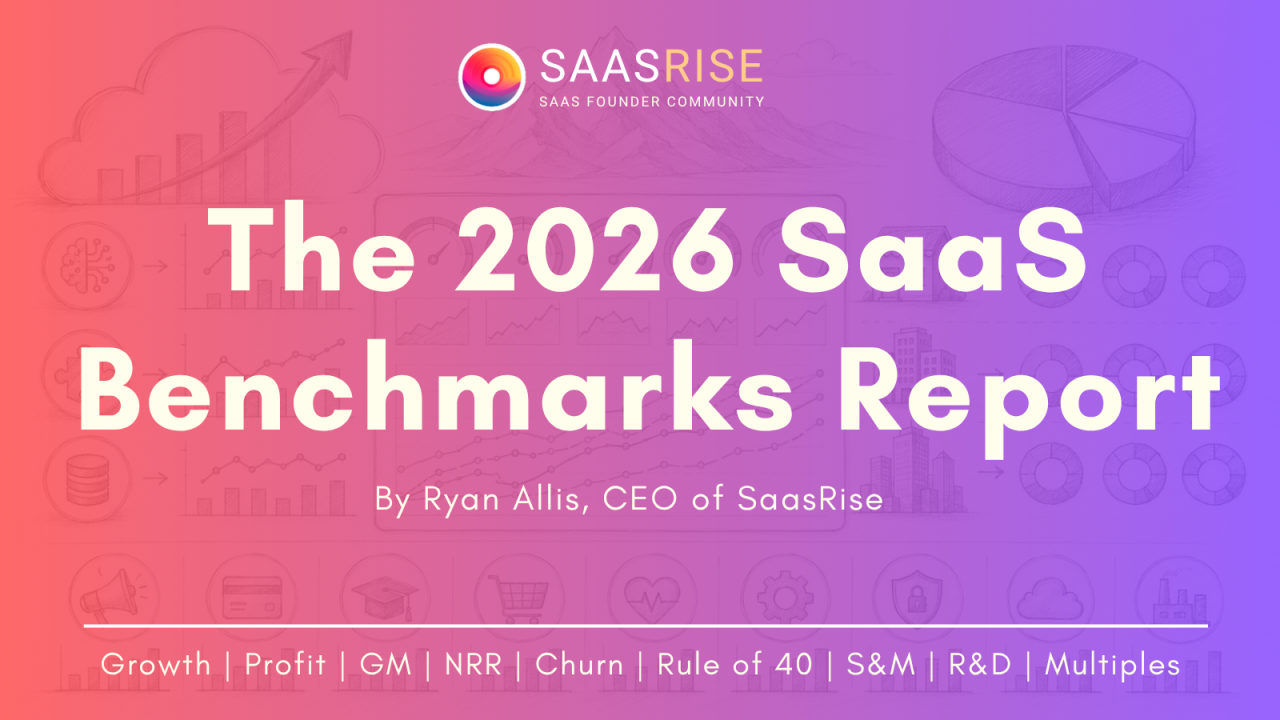
The 2026 SaaS benchmarks show that 34% of new products are founded by non-developers — here is how FutureX turns an idea into a shipped product.

The 2026 SaaS benchmarks arrived with a number the industry is still processing: 34%. That is the share of new SaaS products launched this year by founders who, twelve months earlier, had never shipped software. The barrier that defined the last two decades of SaaS — the ability to build — has moved. What remains is the gap between a working demo and a production stack. That gap is exactly what FIM's FutureX coding agent was built to close.
The 34% stat and what it really means#
What the benchmarks actually measured#
The figure comes from the 2026 SaaS benchmarks founder survey. Of the 4,100 products tracked, 34% list a founding team with no formal engineering background but with heavy, daily use of AI development tools. More telling is the speed: those teams' median time from idea to first paying customer was 26 days, compared with 11 months for the equivalent 2022 cohort. The product breadth is not trivial either — the 34% includes multi-tenant apps with subscription billing, not just landing pages.
Why 2026 is not 2024#
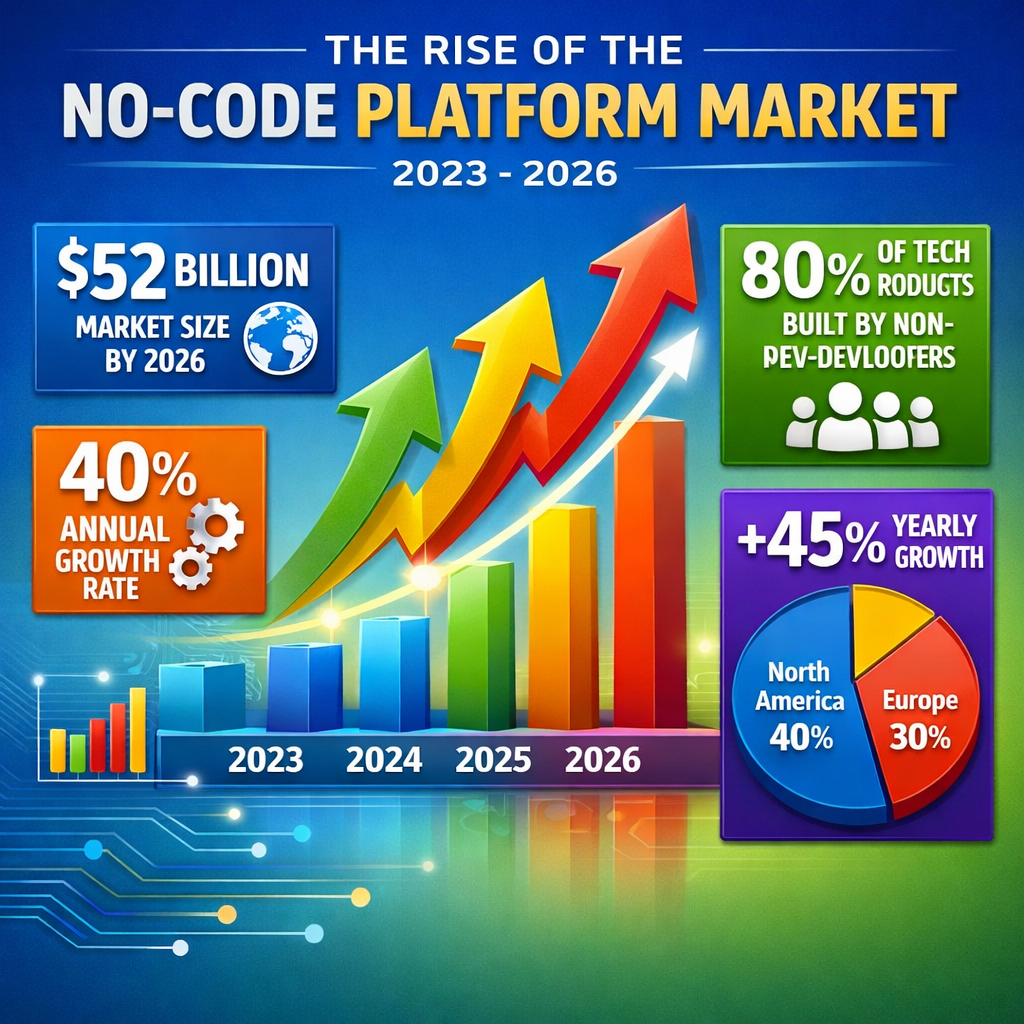
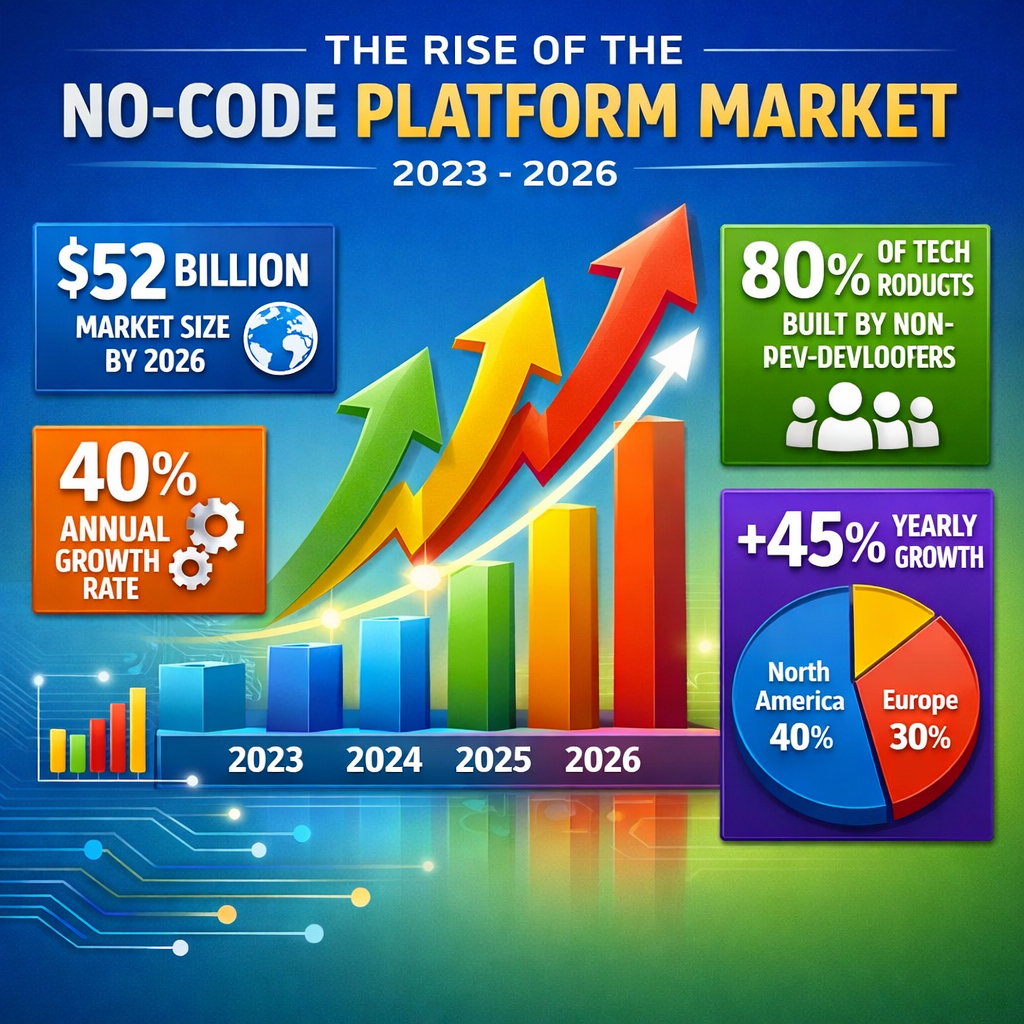
The no-code SaaS statistics in the same report show a sharp behavioral shift: 71% of these founders used a general-purpose coding agent rather than a traditional no-code builder. Drag-and-drop platforms handle forms and CRUD, but they break on billing, background jobs, and compliance. An AI SaaS builder that can read, write, and run code covers the full surface. This is vibe coding for non-developers in its most consequential form — not a static brochure, but a production application with auth, payments, and an admin dashboard.
Where vibe coding breaks down#
Most AI-generated SaaS code fails in the same predictable places. The first is schema drift: the model invents a clean domain model, then later features mutate it inconsistently until nobody trusts the database. The second is external service integration: Stripe webhooks, email templates, and object storage all have subtle contracts around signing, retries, and idempotency. The third is deployment. A demo that runs on a laptop is not a product; the missing runbook — environment variables, migrations, cron jobs, smoke tests — is where most non-developer projects stall.
Source: linkedin.com
For a non-developer, these failures are not speed bumps; they are walls. A no-code tool hides the complexity but caps the ceiling. A generic coding chatbot removes the ceiling but removes the guardrails. FutureX is deliberately positioned between the two: it generates architecture, not just snippets, and it treats review as part of generation.
How FutureX closes the loop#
FutureX is the coding agent inside FIM, and it works the way a strong founding engineer would: it asks questions before it writes code, proposes a schema before it builds endpoints, and runs tests against the code it just generated. Two behaviors matter most for non-developers.
Spec first, then scaffold#
When you describe a product in plain language, FutureX produces a short technical spec — entities, relationships, API surface, and the expected failure modes — and asks you to confirm it before generating anything. This matters more than any single generated file, because a wrong schema costs weeks later. The spec becomes the contract that keeps later prompts on track, which is the difference between an agent that edits files and one that develops a product.
Model tiers for the right cost#
FIM exposes model tiers that map naturally to a build: fx-mini for small edits, fx-fast for iterative loops like UI adjustments, and fx-pro for long-horizon work such as a full SaaS backend. For a first product, stay on fx-pro for any session that touches the data model or payment flow, then drop to fx-fast for routine changes. The cost difference is meaningful; the correctness difference is more so.
A practical workflow for SaaS without code 2026#
The workflow below is what the new 34% report using, and it maps directly onto FutureX's session structure.
Step 1: write the domain in one paragraph#
Describe the product without implementation language: who the users are, what they pay for, which events must trigger notifications, and what happens when a payment fails. FutureX converts this into a domain model with real constraints — not-null, unique, foreign keys — and shows you the diff before creating a migration. Approving that migration is your first technical decision, and it is the right kind of decision for a founder to make.
Step 2: let fx-pro build the vertical slice#
The instruction to FutureX: "Build the API for this schema, with auth, idempotent POST /checkout, and a webhook handler for Stripe events." FutureX scaffolds the service, generates the migrations, and wires signature verification and replayed-event handling. The resulting slice is a working proof of the hardest part of the product, not a tutorial example.
Source: kissflow.com
Step 3: debug through the agent, not the browser#
The workflow shift that separates the 2026 cohort from earlier attempts: when an integration fails, they paste the stack trace back into FutureX instead of opening a browser and searching. The agent inspects the call, the payload, and the relevant code paths, then proposes a patch with an explanation. The non-developer's job is to review the explanation — to ask why until it makes sense — not to interpret the log.
Step 4: deploy with the runbook#
FutureX generates the deployment runbook: environment variables, migration commands, cron jobs, and the smoke-test curl calls that prove the service is alive. Deploy becomes a checklist instead of a mystery. The common AI SaaS builder complaint has always been "I built it, now what?" FutureX treats deployment as part of the build, which is why the 34% are shipping in 26 days.
The economics of the 34%#
The downstream effect shows up in the benchmark's pricing data. Non-developer-founded products entered the market at lower price points, but they also shipped in weeks rather than quarters. That shifts the SaaS playbook from raise, hire, build to scaffold, launch, iterate. For established engineers reading this, the shift is not a threat. When vibe coding for non-developers handles the scaffolding, the developer queue fills with higher-leverage work: architecture review, security, and the integrations an agent should not touch unsupervised.
Source: kissflow.com
Conclusion#
The 34% stat does not say software is easy. It says the bottleneck moved from knowing how to code to knowing what to build. FIM's FutureX coding agent is built for that new bottleneck. It owns the schema, the billing hooks, and the deployment runbook, while the founder owns the product decisions. SaaS without code in 2026 no longer means accepting a limited platform; it means directing a capable one. The 34% are not people who avoided code — they are people who stopped writing it by hand. FutureX is the difference between having an idea and having a product.
Related reading
Breaking the Vibe-Coding Template with Design Fundamentals
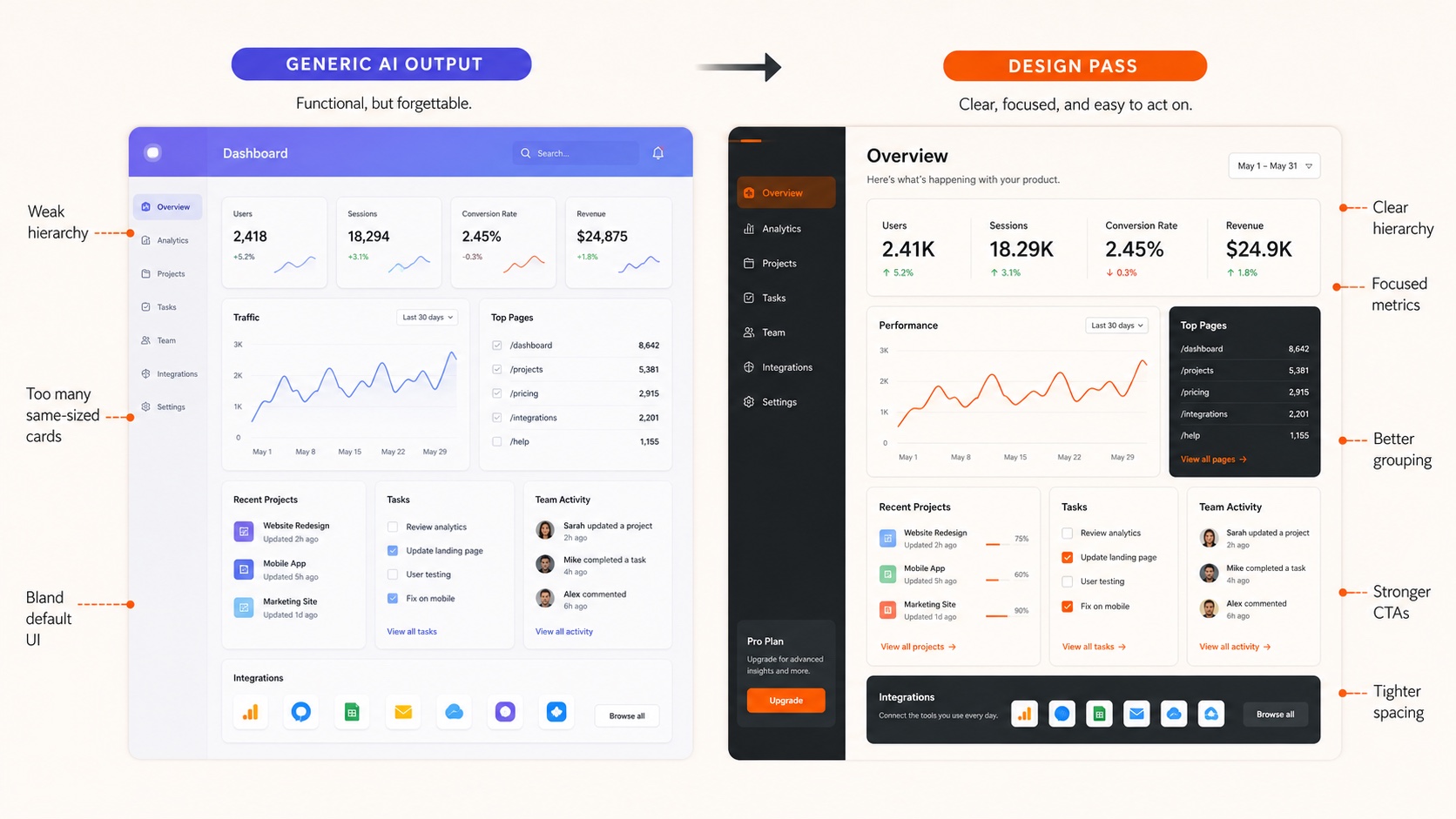
Vibe coding produces generic AI-generated UI by default; this practical guide shows how FutureX applies typography, color theory, and visual hierarchy to create unique web design.
vibe coding6 min read

Vibe Code Security: 45%, 62%, or 91.5%?
A technical breakdown of the conflicting AI code vulnerability rate figures and what 45%, 62%, and 91.5% actually measure in your project.
vibe coding6 min read

From Prompt to Production: The FutureX Playbook
A step-by-step FutureX playbook for non-developers that turns a natural language prompt into a production-ready SaaS while avoiding the debt and security traps of vibe coding.
FutureX5 min read