Hassabis' New Role: What AI Coders Should Bet On
Demis Hassabis moving from CEO to Chief Scientist signals a deeper AGI research push, and developers should bet on tools that embrace autonomy and evaluation.
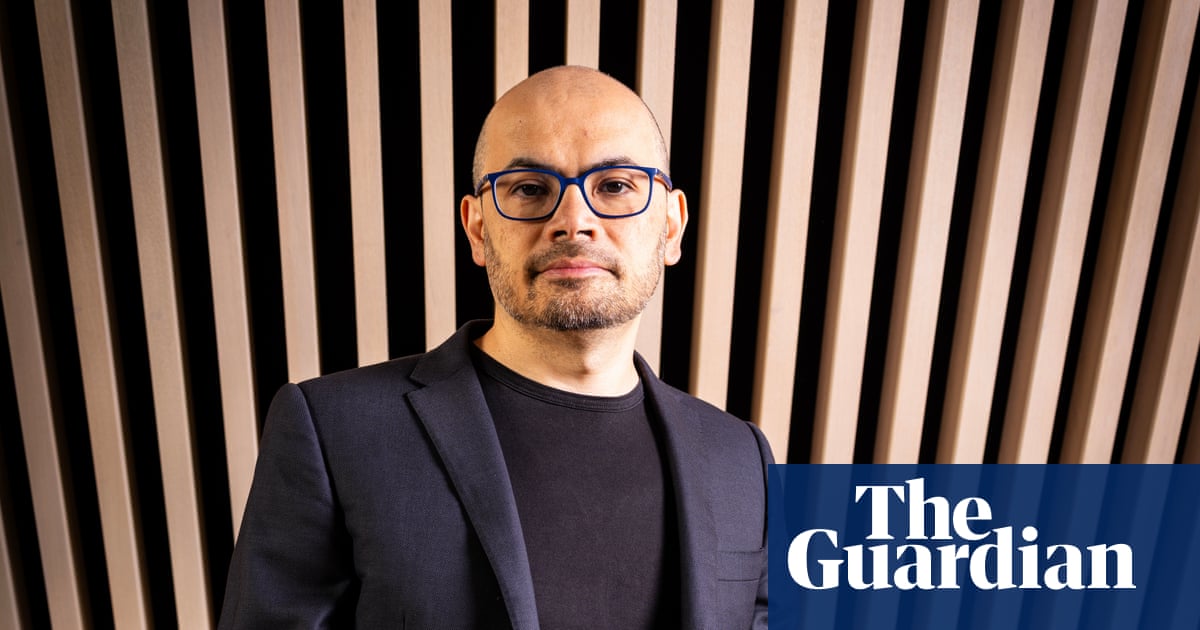
The news landed like a quiet earthquake in the AI engineering world: Demis Hassabis, co-founder of DeepMind and long-time CEO, would step into the role of Chief Scientist at Google DeepMind. For most developers, this is not a gossip story. It is a signal about where the research engine is heading and, more importantly, what you should build your career and your stack on. The Demis Hassabis role change from CEO to Chief Scientist is not a demotion. It is a deliberate re-focus on the hardest problem in the field: moving from narrow intelligence to general intelligence, or AGI.
For coders, especially those working in vibe coding, AI agentic workflows, or platform-level AI tooling, this shift in Google DeepMind leadership deserves careful attention. The research agenda it implies will shape the models, APIs, and agentic development trends you rely on for the next several years.
A Leadership Shift With Ripple Effects#
When a founder steps away from day-to-day CEO duties, the natural reading is that they want to spend more time on what originally drove them. For Hassabis, that is AGI research. The title change makes explicit what many insiders had suspected: Google DeepMind is willing to sacrifice some short-term product speed for long-term leaps in capability.
What does this mean for you as a developer? Expect the underlying models to get better at reasoning, planning, and executing multi-step tasks. The AI coding tools future is one where the agent, not the autocomplete, becomes the primary interface. If you are building on top of these models, you need to design for that reality.
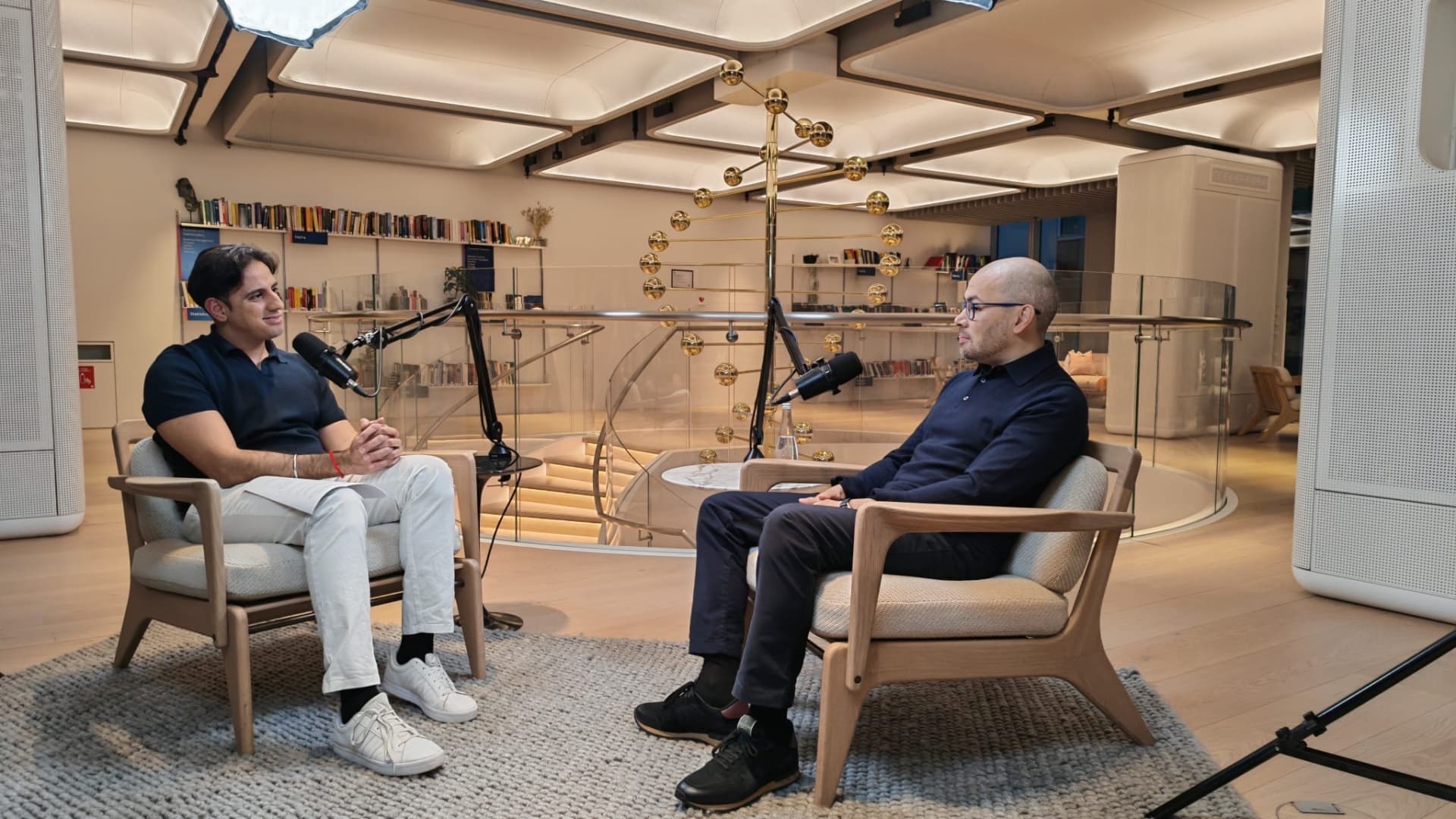
Source: cnbc.com
From Product Pressure to Research Horizon#
A CEO is measured on ships, revenue, and market share. A Chief Scientist is measured on breakthroughs, papers, and capabilities that did not exist before. That shift in incentives is critical for developers. It means that the models you get in two years will not just be slightly better versions of today's models. They will be built with a different target: the ability to handle open-ended, long-horizon tasks with minimal human supervision.
Why Chief Scientist Is a Different Bet#
Hassabis has been explicit that AGI is the north star. As Chief Scientist, he oversees the research agenda directly, without the operational overhead. The AGI research impact on coding is not abstract. It translates into models that can hold a context over thousands of turns, revisit their own outputs, use external tools, and introspect on their failures.
What AGI Research Actually Changes#
The gap between today's coding assistants and a truly agentic system is not just model size. It is the ability to form a plan, execute it, verify the result, and adjust when something goes wrong. This is exactly what a Chief Scientist with an AGI focus will push forward. For developers, the frameworks you choose need to be ready for that level of autonomy.
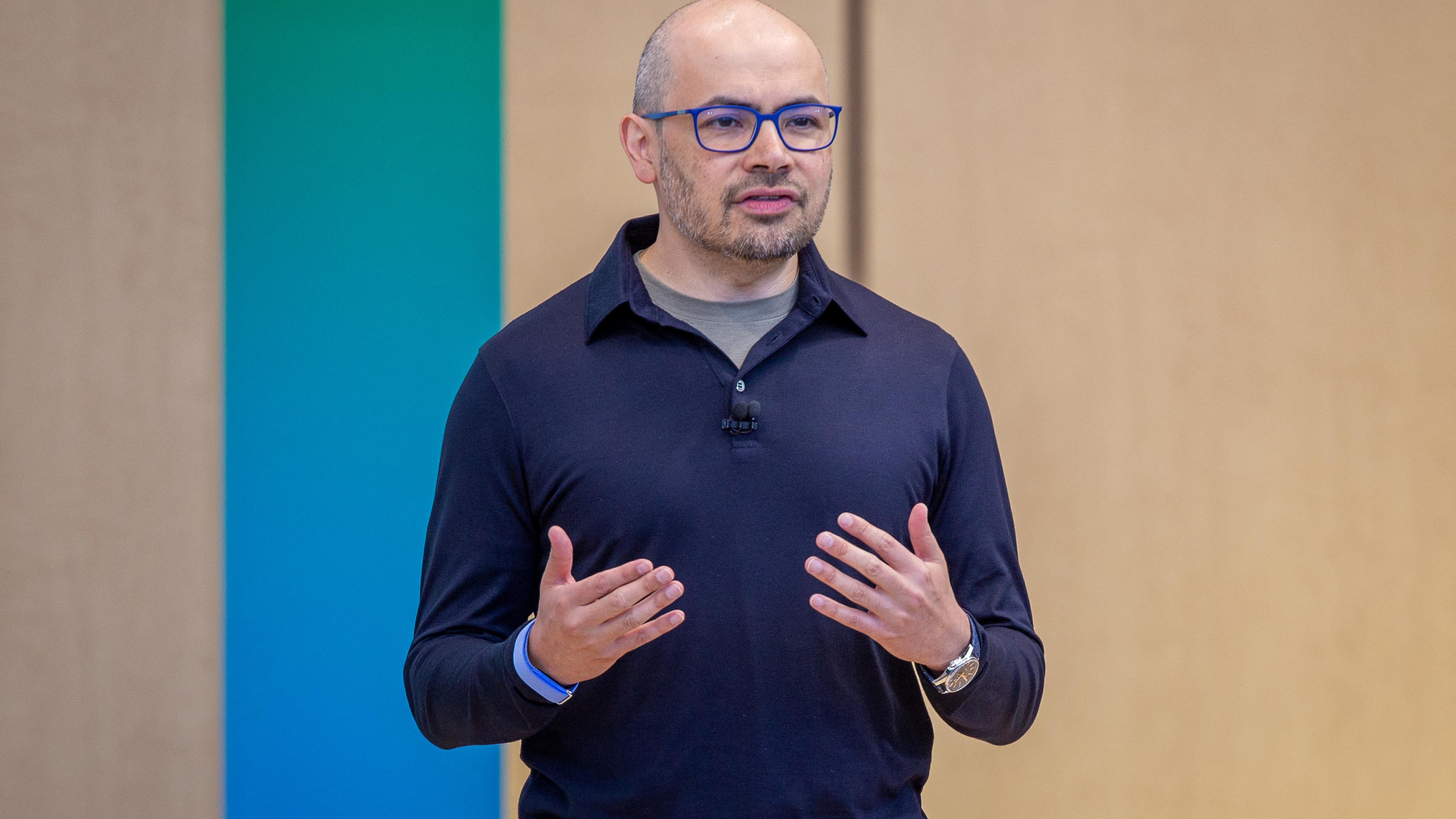
Source: time.com
What This Means for the Tools You Use Daily#
If you are a developer who writes code by hand, or a 'vibe coder' who uses AI to build entire features from a prompt, the next few years will blur the line between those two worlds. The trend is already visible: agents that can open a pull request, run tests, fix failures, and report back. The agentic development trends that will dominate are those that treat the AI as an autonomous engineer, not a fancy autocomplete.
Agentic Development Trends#
The big shift is from recommendation to delegation. You will trust an agent with a task, and it will own the result. But that requires tooling that supports long-horizon execution, reliable state management, and robust error recovery. Your CI/CD pipeline, your local development environment, your code review process—all of it must be designed for agents that iterate.
The Rise of Evaluation-Driven Coding#
One of the most underappreciated consequences of an AGI research focus is the emphasis on evaluation. You cannot claim a model is more agentic without building serious benchmarks that test multi-step reasoning, tool use, and self-correction. This is good news for developers. It means the open-source ecosystem around evals, regressions, and quality gates will become as important as the models themselves. Bet on frameworks that make evaluation first-class.
Frameworks to Bet On#
Given this trajectory, what should you actually invest your time and infrastructure in? The answer is not a specific model, but a set of architectural patterns.
Long-Horizon Task Execution#
Pick frameworks that let an agent plan and execute across many steps. That includes managing conversation state, persisting intermediate results, and handling interruptions. If a framework only works well on single-shot prompts, it will quickly become obsolete.
Tool-Augmented Agents#
The models will not do everything themselves. They will call shell commands, query databases, hit APIs, and interact with the file system. Frameworks that provide clean, stable tool interfaces will win. Look for good error handling, permission models, and logging when agents call out to the world.
Reproducibility and Observability#
When agents run unattended, you need to know exactly what they did and why. Bet on tools that offer built-in tracing, replayable logs, and deterministic execution where possible. This is not just a nice-to-have. As agents take on more responsibility, auditing their behavior becomes a compliance requirement. Google DeepMind’s research agenda will push safety, interpretability, and oversight to the center of model development.
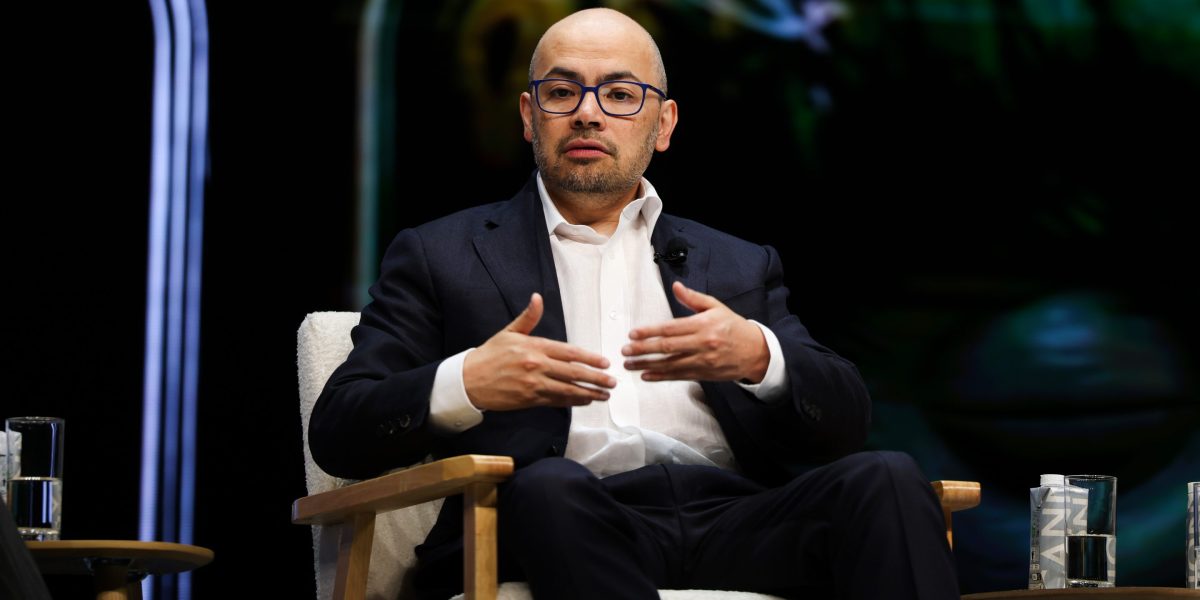
Source: fortune.com
The Safety Angle That Affects Your CI/CD#
AGI research is inseparable from safety research. Hassabis has been one of the most prominent voices in AI safety, and his new role will likely amplify that. What does that mean for your coding workflow? More guardrails. Expect agents to run in sandboxes, require explicit permissions for dangerous operations, and have their outputs validated by policies. Your CI/CD may eventually include an AI safety gate, just as it includes a linting step today. This is not a burden. It is the price of delegating real work to autonomous systems.
Conclusion: Build for a World of Deeper Agency#
The headlines around the Demis Hassabis role change are easy to skim. But the strategic signal is stark: the most important AI lab in the world is re-orienting around AGI research. For developers, that means the future is not more of the same chatbot with better code completion. It is agents that plan, act, and learn. The right answer is to bet on frameworks that support long-horizon autonomy, rigorous evaluation, and transparent observability. Build for that world, and you will be building for the next decade.
Related reading

Vibe Coding Meets Agentic Power: The FutureX Leap
FutureX is the AI coding agent that turns vibe coding prototypes into production-ready code, carrying features end-to-end with tests, review, and deployment.
vibe coding4 min read
Continue.dev Shut Down? FutureX Keeps Vibe Coding Alive
Continue.dev's shutdown marks the end of the standalone AI coding assistant era, but FutureX shows how autonomous, natural-language-driven development keeps vibe coding alive.
vibe coding6 min read
FutureX vs Cline: The Fork War Is Over
With Roo Code's repo archived, we analyze how FutureX moves beyond the Cline fork lineage to redefine what an open-source AI coding agent should be.
FutureX vs Cline8 min read