FutureX vs Codex: Full Workflow Match for Less
A feature-by-feature comparison showing how FutureX delivers the same agentic planning, codebase awareness, and review workflow as OpenAI Codex at a fraction of the monthly cost.

When OpenAI Codex entered the agentic coding scene, it raised the bar for what developers expect from an AI assistant. But for many teams, the per-seat cost does not match the actual usage curve of a vibe coding workflow. FutureX, the coding agent inside FIM, delivers the same planning-first, context-aware, human-reviewed development loop without the monthly sticker shock. Here is a concrete feature-by-feature comparison and a path to matching Codex output at a fraction of the price.
Mapping the Agentic Workflow#
Both FutureX and Codex are built around the same core loop: plan, explore, implement, review. The difference is in how each tool exposes that loop and how much control you have over the process. When you are evaluating a Codex alternative, those control points matter more than raw model quality.
Planning#
FutureX starts every nontrivial task by generating an explicit plan from the repository context. It reads the relevant files, identifies the modules that will change, and lists the steps it intends to take before writing a single line of code. You can approve, reorder, or trim that plan. Codex also supports a plan mode in its agentic interface, but the plan is often less transparent about the exact file-level edits it will make, which forces you to infer intent from the resulting diff.
Codebase Awareness#
FutureX maintains an index of your repository structure and symbols, so when you ask it to change a function, it already knows the call sites, test files, and related types. This awareness is what makes the agent useful on existing codebases rather than greenfield demos. Codex has repository-level context as well, especially when used through its cloud tasks interface, but the scope of that context can be harder to control. FutureX lets you narrow or widen the index per session, which is important when you want to keep token costs low.
Human-in-the-Loop Reviews#
FutureX treats review checkpoints as a first-class feature. After a batch of related edits, it pauses and shows you a unified diff with the ability to accept, reject, or request an alternative. This gives you a natural place to catch design mistakes before they propagate. Codex does allow human approval on file changes, but the workflow is more binary: approve everything or interrupt the agent. For a vibe coding workflow, where you want to keep momentum while still sanity-checking each step, FutureX's granular review loop feels closer to pair programming.
The diagram below shows how the two tools differ in the planning and review phases of an agentic task.
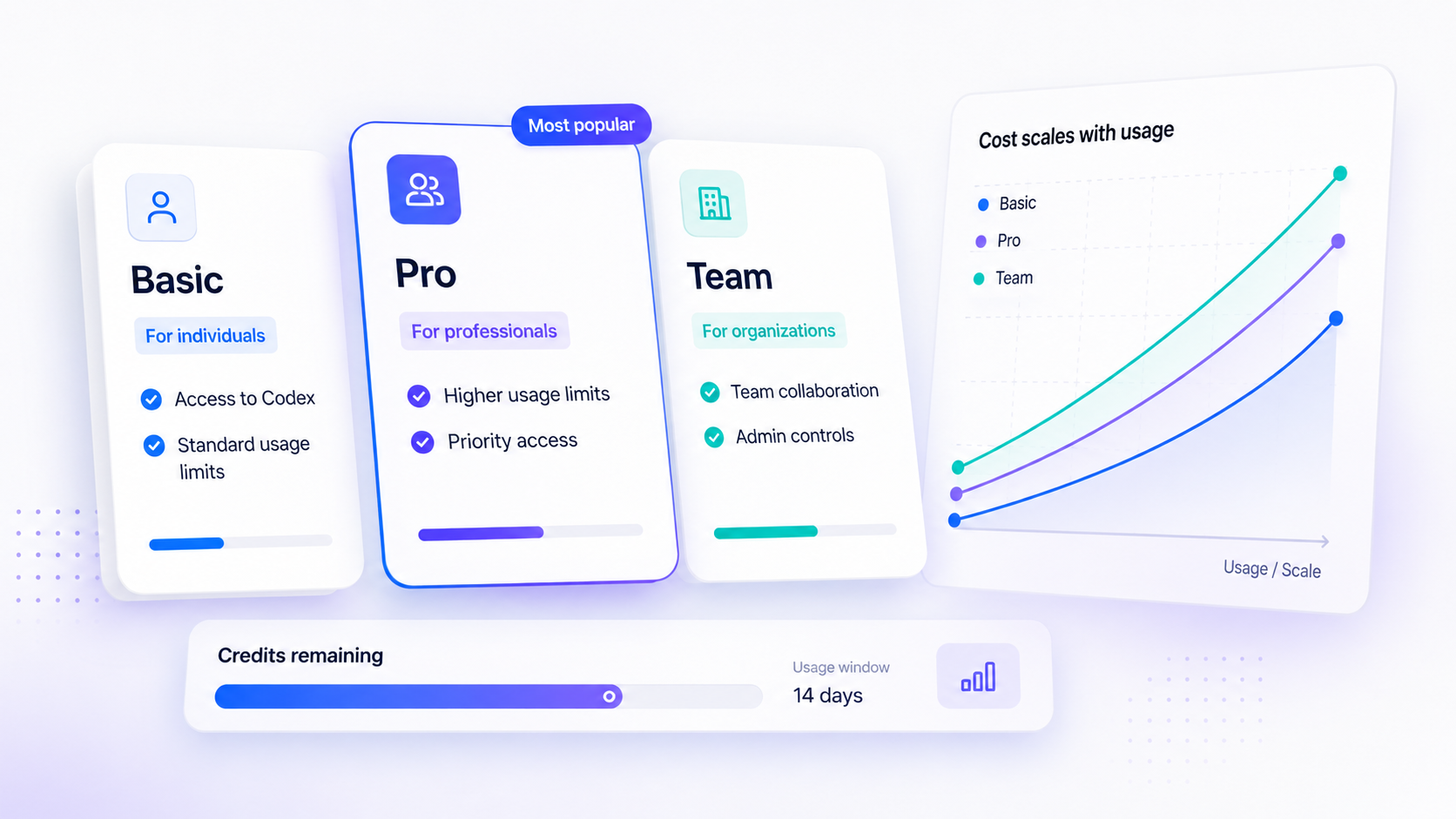
Source: jetadmin.io
Feature-by-Feature: FutureX vs Codex#
To make the comparison concrete, here is a side-by-side view of the capabilities that matter most in daily agentic development.
| Feature | FutureX | Codex |
|---|---|---|
| Plan generation | Explicit, editable file-level plan | Plan mode available, less granular |
| Codebase awareness | Indexed symbols and call sites, scoped per session | Repository-level context in cloud tasks |
| Human review | Diff checkpoints with accept/reject/alternative | File approval, coarser control |
| Model options | fx-pro, fx-fast, fx-mini, fx-eco | Single model tier per subscription |
| Pricing model | Usage-based, route tasks to cheaper models | Flat monthly subscription |
| Cost flexibility | Pay for what you actually run | Pay for quota whether used or not |
That last row is where the budget AI coding argument starts. AI agent pricing is usually either a subscription with a fixed cap or a usage meter. FutureX uses a meter, and the meter is segmented by model capability. You do not need the most powerful model for a mechanical rename or a dependency bump, so you can route those tasks to fx-fast or fx-eco and reserve fx-pro for architectural planning.
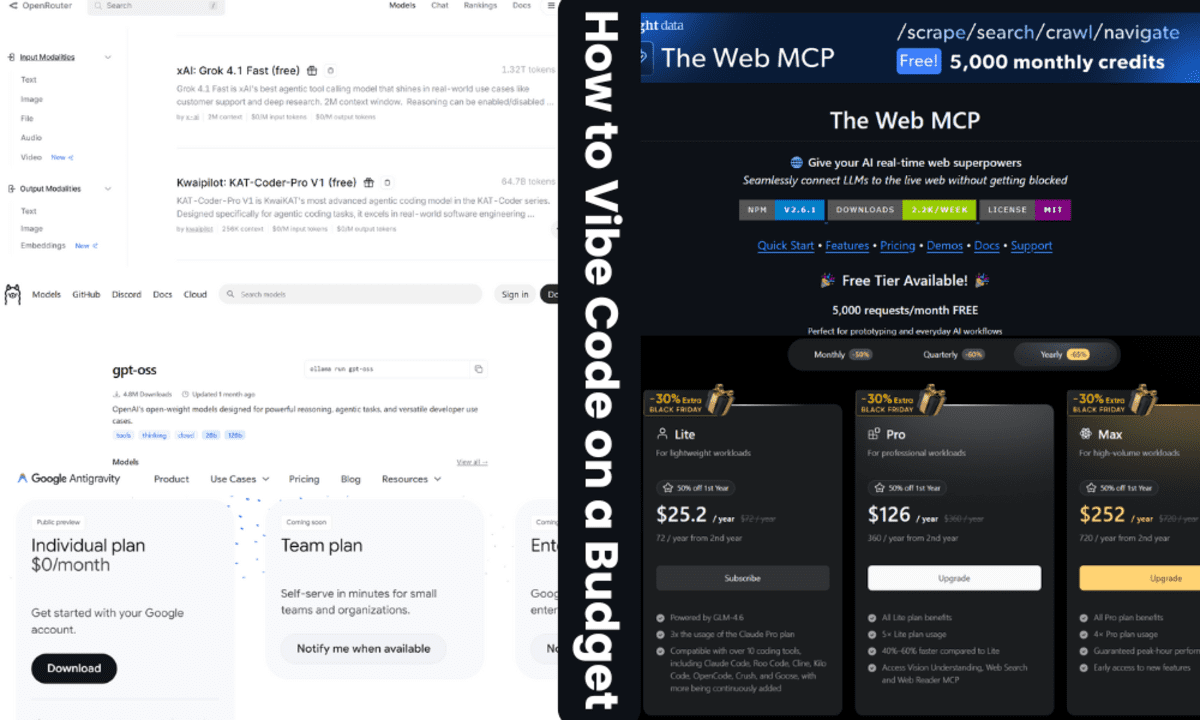
Source: kdnuggets.com
Achieving the Same Output for Less#
A common assumption is that cheaper AI coding tools produce worse results. In practice, the output quality of an agentic workflow depends mostly on planning quality and review discipline, not on which model runs the final diff. FutureX matches Codex on the workflow primitives and then undercuts it on price.
Consider a feature request that touches twelve files. A typical session consumes planning context, implementation tokens, and review iterations. On FutureX, you can start with fx-pro for the initial plan, switch to fx-fast for the mechanical implementation, and use fx-eco for the final cleanup pass. That mix might cost around four dollars for the entire feature. On Codex, the same work burns through part of a monthly quota that you pay for regardless of whether you open the editor on a given day.
For light and moderate users, the subscription model is the worst deal. If you only run agentic sessions four hours per week, you are still paying the full per-seat rate. With FutureX, your monthly bill tracks actual activity. For heavy users, the usage model still wins as long as you take advantage of the cheaper models for routine edits. The key is to stop treating every prompt as a task that requires the top-of-the-line option.
Routing by Complexity#
A budget-friendly vibe coding workflow starts with a simple routing rule. Use fx-pro when the task changes architecture, affects many files, or requires deep reasoning about trade-offs. Use fx-fast for adding endpoints, adjusting styling, or generating tests. Use fx-mini for small language-agnostic changes. Use fx-eco for dependency updates and boilerplate commits. This is how you keep the average cost per task low without sacrificing the quality of the final review.
Reviewing the Diff, Not the Tokens#
When you stop watching token counts and start watching diffs, the pricing differences become irrelevant. FutureX lets you inspect every proposed change in the same diff format you would use for a teammate. If the change looks wrong, you reject that step and ask for an alternative. You are not paying extra to re-run an entire agentic loop; you are paying only for the corrected patch. This tight loop is the real budget AI coding feature: it prevents wasted iterations before they happen.

Source: jetadmin.io
Building an Efficient Vibe Coding Workflow with FutureX#
A vibe coding workflow is not about typing a prompt and accepting every output. It is about staying in flow while an agent handles the bookkeeping. FutureX supports that flow with a few simple practices.
First, always let the agent plan before changing code. Even if you only need a two-line fix, spending twenty seconds reviewing the plan prevents blind edits. Second, scope the codebase index to the module you are working on. FutureX gives you that control, which also reduces the tokens sent to fx-pro or fx-fast. Third, use the review checkpoints as your commit boundaries. Each accepted checkpoint becomes a small, coherent commit, which makes bisecting failures trivial later.
Finally, pair the cheaper models with the plan-heavy model. Start the session with fx-pro to get a detailed task list. Then run each implementation step with fx-fast, and ask the agent to summarize what changed at the end. This hybrid pattern is the strongest reason to move from a subscription Codex plan to FutureX as your primary Codex alternative.
Verdict: Budget AI Coding Without Compromise#
The FutureX vs Codex comparison no longer has to be a trade-off between capability and price. FutureX matches the agentic workflow that made Codex popular - planning, codebase awareness, and human-in-the-loop reviews - while adding a pricing model that scales with your actual usage. For developers who live in a vibe coding workflow, that means the same output, the same review discipline, and a monthly cost that reflects reality instead of a fixed quota. If you are already comfortable with agentic AI, the only real question is whether you want to keep paying for unused capacity.
Related reading
FutureX: The Missing Terminal Agent for Vibe Coders
A practical deep dive into how FutureX brings multi-step, terminal-native automation to the vibe coding workflow without breaking the loop.
vibe coding7 min read

The Future of Vibe Coding: 7 Trends Every Developer Should Know
A developer-focused look at the seven vibe coding trends that will define 2026, and how FutureX's roadmap is built around them.
vibe coding7 min read
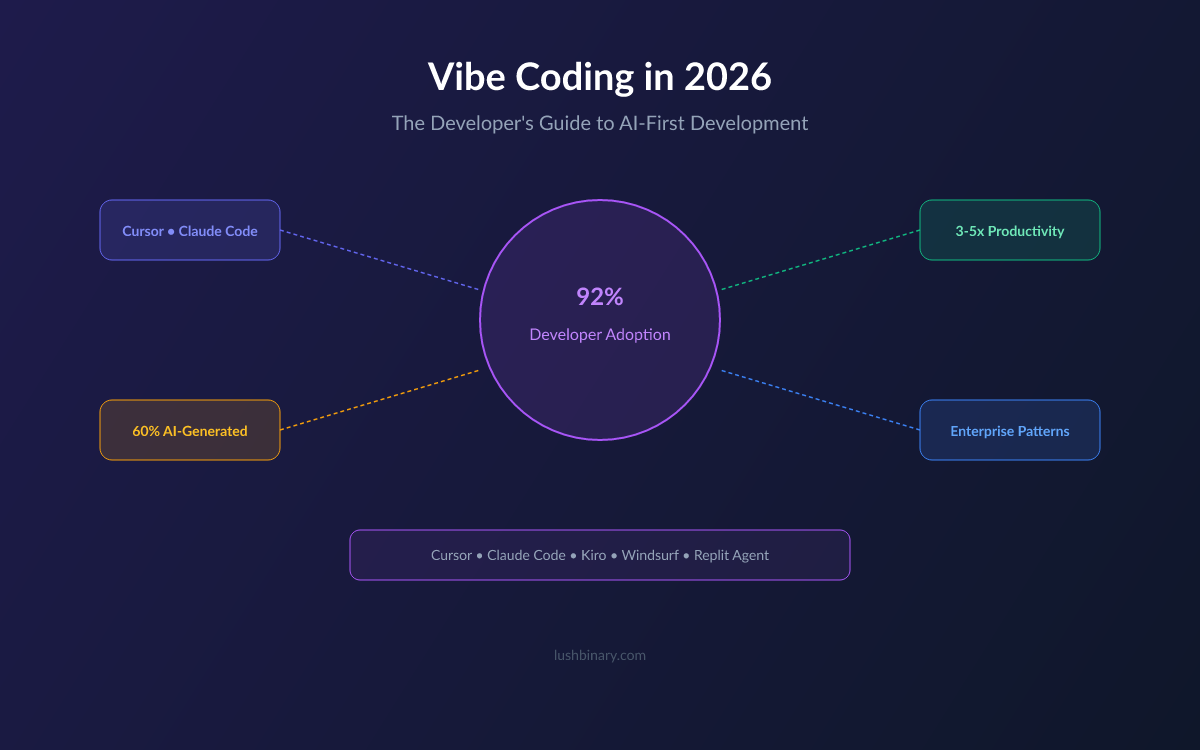
From Vibe to Value: Measuring Productivity Gains When You Code with AI
Move beyond lines of code and learn how to measure the real productivity impact of vibe coding with FutureX using metrics for speed, quality, and skill growth.
vibe coding7 min read