Coding the Physical World: Feedback Loops in Supply-Chain Agents
Continuous feedback loops are what turn agentic coding into outcome ownership for supply-chain agents — and FutureX shows why domain experts get the best AI ROI.
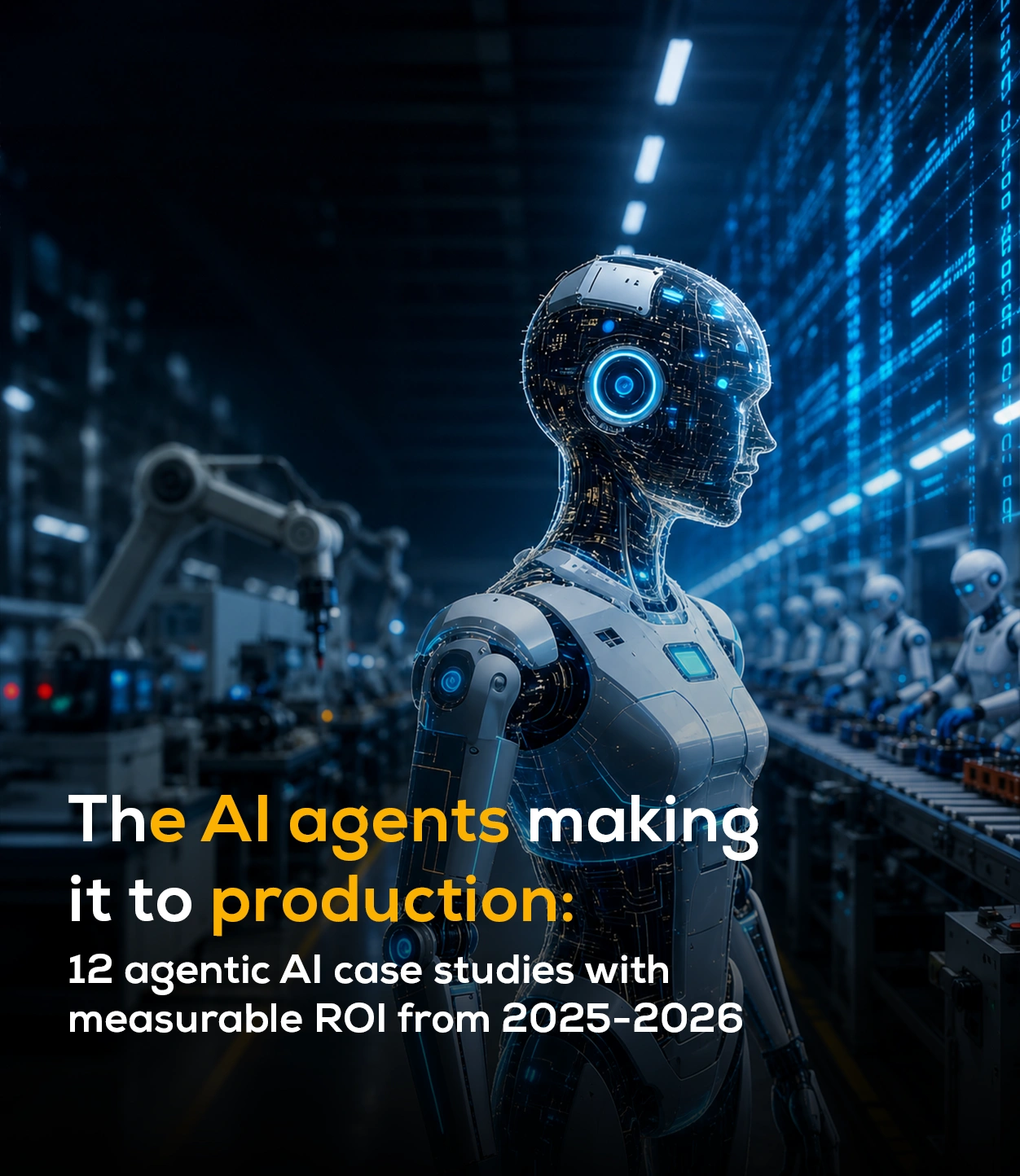
Every supply chain is a collection of closed loops. Inventory triggers replenishment. Demand signals nudge forecasts. Carrier exceptions reroute shipments. The interesting change in agentic coding is that the agent itself now sits inside those loops — observing outcomes, revising its approach, and being held accountable for physical-world results. This post examines how continuous feedback loops power supply-chain agents and uses FutureX as a case study for domain-experts-turned-developers. If your entry point is vibe coding, the distinction matters: vibe coding gets you a prototype; feedback loops get you a supply chain you can trust.
Supply chains are a proving ground for agentic coding#
Supply chains punish wishful thinking. A demand forecast has a MAPE number. An inventory policy has a fill rate. A routing plan has a cost per unit. These constraints are what make supply chains the ideal testbed for agentic coding: they generate natural, measurable reward signals. Lead times, capacity limits, regulatory buffers, and service-level agreements are not abstractions. They are hard boundaries the agent must respect, and every violation is visible in the data.
Compare that to a typical web app where looks good to me can pass review. A supply-chain agent cannot get away with that. Its changes propagate to warehouse picking lists, purchase orders, and truck assignments. The cost of a bad loop is not a failed unit test; it is a missed delivery window. Feedback is not optional. It is the operating system of the domain.
The anatomy of a feedback loop#
Every feedback loop has three phases: observe, decide, and act. In agentic coding, observe means reading telemetry — not just logs, but the business metric. Decide means selecting a code or model change. Act means shipping it. FutureX structures its agents around this cycle so that each iteration leaves the system measurably closer to the outcome.
The two clocks of feedback#
Compile-time feedback is fast. Tests, linters, and type checks run in seconds and catch structural errors. Operational feedback is slow but meaningful: forecast error, fill rate, and landed cost update only after the system has touched the real world. FutureX wires both clocks into the same loop. A regression test fails before deployment; a drift evaluation fires when the demand model degrades in production. The agent learns from both, but it weights operational feedback higher because that is the signal that maps to business value.

Source: microsoft.com
Outcome ownership: from merged code to moved metrics#
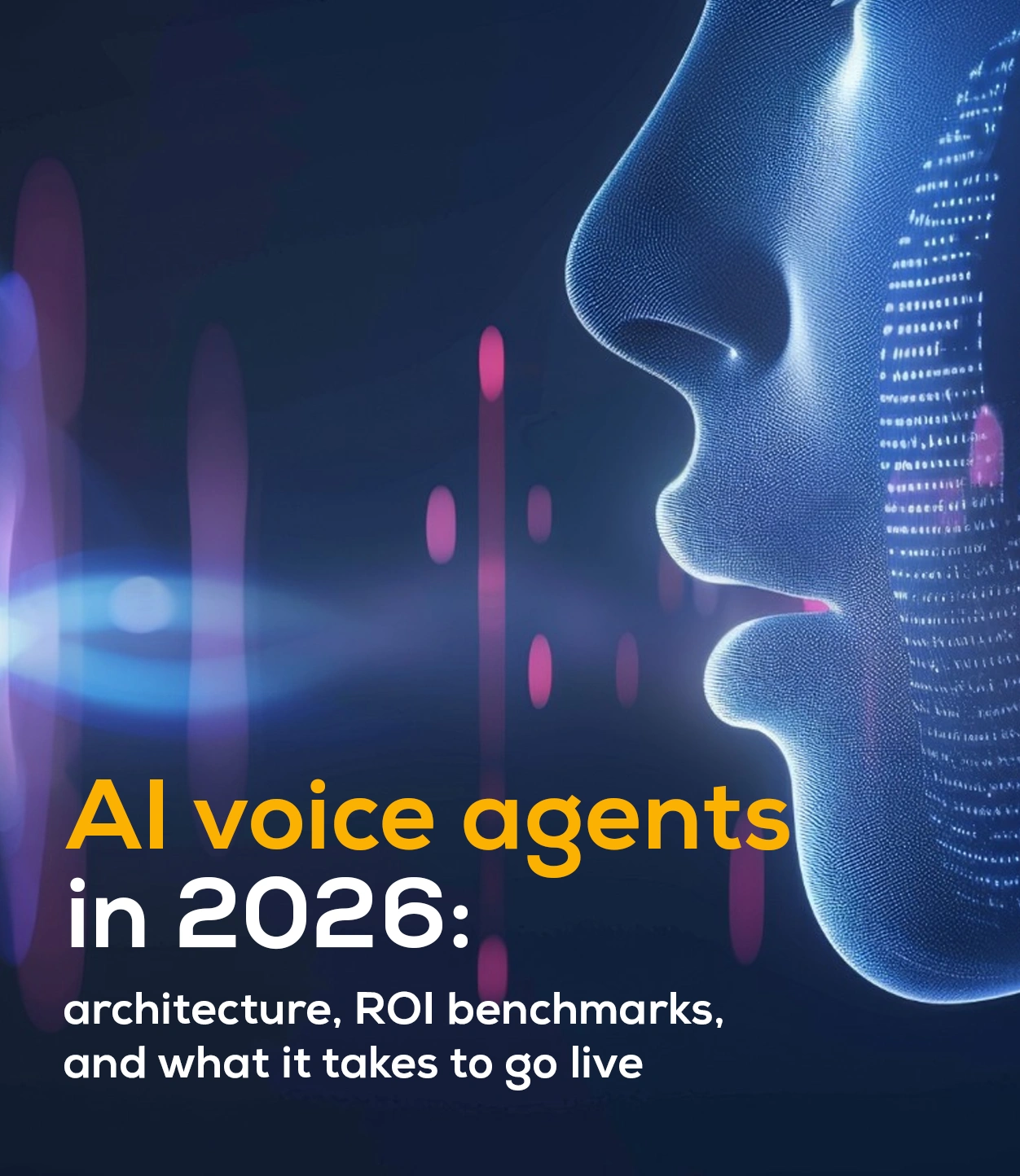
Traditional software development is built on handoffs. The developer owns the code, and the operator owns the runtime. Agentic coding erodes that boundary. In FutureX, a supply-chain agent is assigned an outcome, not a task. The prompt is not write a safety-stock function. It is reduce stockouts by 8% without increasing holding costs. The agent owns the loop until the metric moves.
This is the core of outcome ownership. The agent treats the demand model, the inventory policy, and the deployment pipeline as one system rather than three repositories. When an intervention fails in production, the agent does not file a ticket. It adjusts, redeploys, and re-measures. For domain experts, this is liberating: they finally have a tool that cares about the result, not the ceremony around the result.
Source: sparkeighteen.com
FutureX as a case study#
The most interesting FutureX users are not career software engineers. They are demand planners, logistics analysts, and procurement leads who know exactly where their supply chain leaks but could not previously express that knowledge in code. FutureX lets them close the loop in their own language.
From domain intuition to reward function#
Consider a demand planner at a consumer-goods distributor. The baseline forecast misses a seasonal spike every quarter. The planner tells FutureX: this region ramps two weeks before the promotion cycle. FutureX translates that observation into a feature, adds a regression guard so the mistake never reappears, and re-trains the model. The planner's judgment becomes the reward function. Every correction seeds a test, and every test shortens the next loop.
The pattern generalizes beyond forecasting. A freight analyst can flag a lane that consistently underperforms its quoted transit time. A warehouse lead can identify a SKU layout that drives pick-path congestion. In each case, the expert provides the signal, and the agent owns the implementation. That division of labor is why domain-experts-turned-developers get disproportionate value from agentic coding: their intuition is the part of the loop that cannot be automated, and FutureX lets them apply it directly.
Measuring AI ROI with loops as the unit of work#
AI ROI in agentic coding is rarely about lines of code generated. It is a function of loop velocity and the value of the outcome each loop owns. Three metrics tell the story:
- Loop cycle time: how long from observation to corrective action
- Human-close rate: what fraction of loops close without an expert stepping in
- Outcome delta: the actual movement in MAPE, fill rate, or inventory turns
FutureX reports all three, so a team can see whether its agentic coding investment is compounding. If a human must re-explain the same correction twice, the loop is leaking and ROI decays. If corrections accumulate into the agent's evaluation set, each subsequent loop is cheaper than the last. That compounding effect is the real AI ROI case for supply chain agents.
Conclusion#
The physical world rewards agents that listen. Feedback loops are the mechanism for listening: observe what changed, decide what to do, act, and observe again. FutureX applies that cycle to coding itself, so supply-chain agents improve every time they touch a forecast, a policy, or a route. For domain experts, the takeaway is straightforward. Agentic coding with feedback loops is the highest-leverage skill available. You do not need to become a senior engineer. You need to encode your judgment into a system that closes loops — and then watch the metrics move.
Related reading
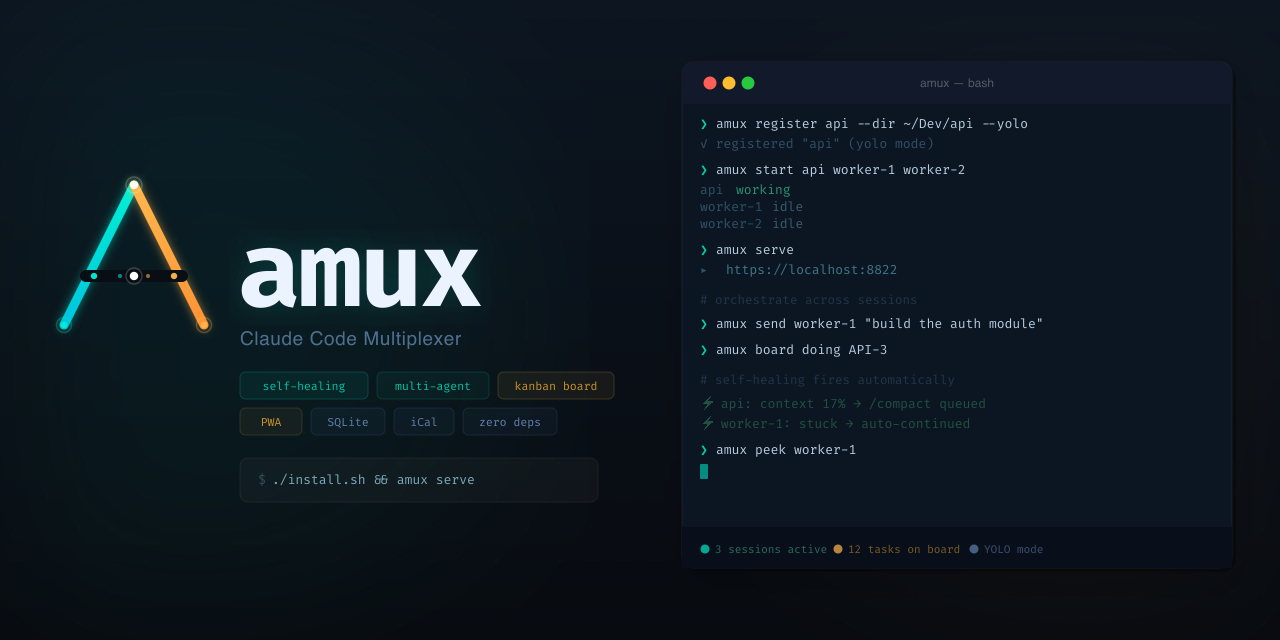
The Terminal Is the IDE: Why FutureX for Terminal-Native Development
FutureX turns the shell into a complete development environment, proving that terminal-native coding is not a compromise but the ideal surface for agentic programming.
terminal-native coding5 min read
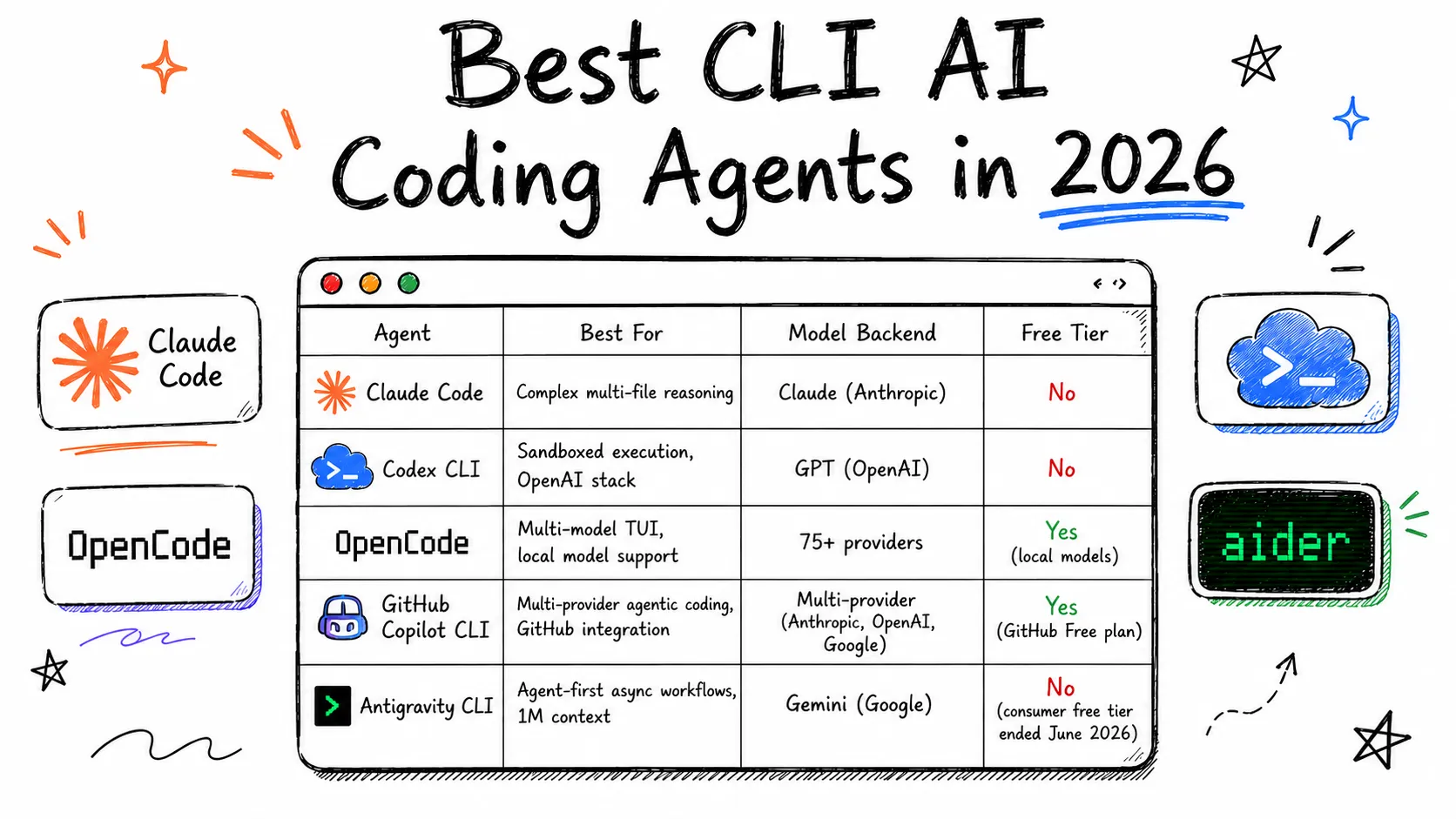
From Autocomplete to Autonomous: Where FutureX Fits
A survey of the CLI coding agent landscape in 2026 and an argument for why FutureX's terminal-first, autonomy-first design is the next step in agentic coding.
CLI coding agents6 min read

Beat Surveillance Pricing with a FutureX Counter-Agent
A practical vibe-coding walkthrough for building a FutureX counter-agent that simulates shopping sessions with varied digital fingerprints, exposes surveillance pricing, and auto-reports violations to regulators.
surveillance pricing5 min read