Vibe Coding Best Practices: Lessons Learned from 10 Projects Built with FutureX
After building 10 projects with FutureX, we share practical lessons on code review, testing, and integrating AI code with manual refinements to maintain quality while moving fast.
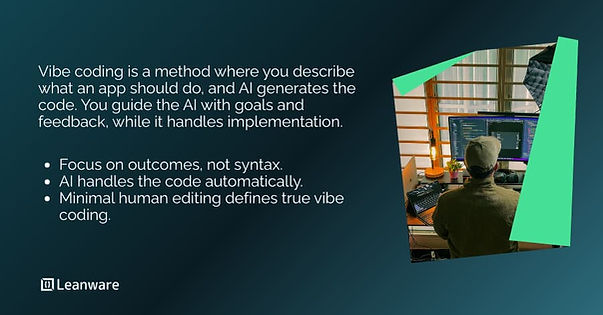
Vibe coding is the art of letting an AI agent like FutureX generate large swaths of code while you focus on high-level direction and architecture. Over the last six months, our team completed 10 production-grade projects using FutureX, ranging from microservices to data pipelines. In the process we learned what works and what does not when you want to ship fast without accumulating technical debt. This article distills the most important lessons into a set of actionable best practices.
Code Review as a Quality Gate for AI-Generated Code#
The biggest mistake we made early on was treating FutureX’s output as final. AI development is incredibly fast, but the generated code is a first draft — not a finished product. After the first two projects, we introduced a strict code review workflow for every file written by FutureX.
Why Code Review Matters More with AI#
FutureX rarely produces syntactically wrong code, but it can introduce subtle semantic bugs, inconsistent naming conventions, or logic that works in isolation but fails in the broader system. Human reviewers catch these before they reach production. We found that a review by someone who did not write the prompt catches more errors than a review by the same person who directed the AI.

Source: leanware.co
Automated Pre-Review Checks#
Before any human review, we run linting, type checking, and unit tests. This catches obvious problems and lets reviewers focus on architecture, security, and edge cases. We configured FutureX to include type annotations and docstrings, which makes the review process smoother.
Testing Strategies That Scale with AI-Generated Code#
FutureX can generate thousands of lines of code per day. Manual testing at that pace is impossible. We needed a testing strategy that validated correctness without slowing down our iteration cycle.
Property-Based and Snapshot Tests#
For functions with clear inputs and outputs, property-based tests (using libraries like Hypothesis or property-based test frameworks for your language) are invaluable. FutureX often produces correct code for typical inputs but fails on edge cases. Property-based tests systematically explore those edge cases. Snapshot tests work well for UI components or API responses generated by FutureX — they alert you when the AI changes behavior unexpectedly.
Integration Tests as a Safety Net#
Even though FutureX can write unit tests, we found that integration tests are better at catching cross-module issues. We maintain a suite of integration tests that run on every pull request. If the AI-generated code breaks a critical path, we know immediately. Over time, this test suite became our most reliable quality metric.
Source: leanware.co
Integrating AI Code with Manual Refinements#
The real power of vibe coding lies in knowing when to let FutureX run and when to step in. Lessons learned from our projects have helped us define a clear division of labor.
Defining the Interface Before Generating#
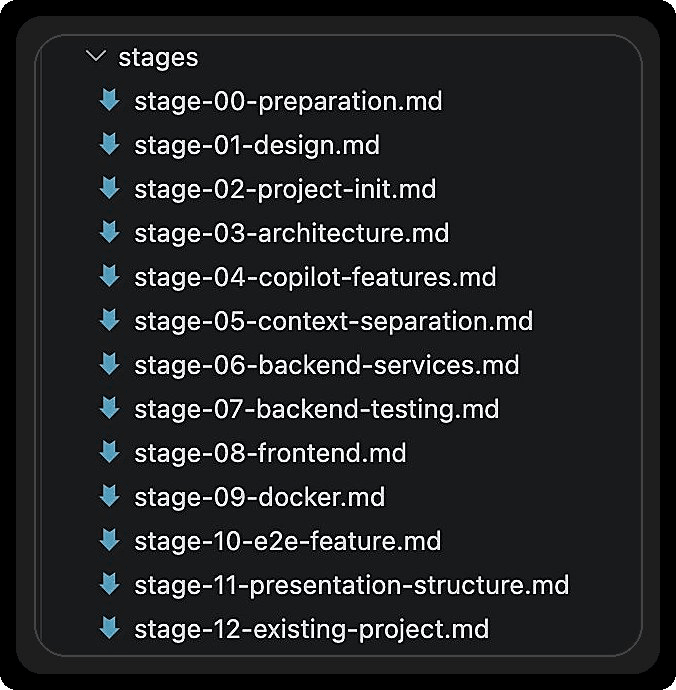
Every project starts with a written specification of the interface: data structures, function signatures, API contracts. We then let FutureX implement the bodies. This boundary prevents the AI from making decisions that would break the system’s architecture. Manual refinements then focus on performance optimizations, security hardening, and business logic that requires domain knowledge.
Refactoring Generated Code Gradually#
Instead of rewriting large blocks of AI-generated code, we apply small, targeted improvements. This preserves the velocity gains from vibe coding. For example, if FutureX generates a slow loop over a database query, we replace only that loop with a batch operation rather than touching the entire function.
Source: aristeksystems.com
Conclusion: Lessons Learned for Your Next Project#
Vibe coding with FutureX can dramatically accelerate development, but it demands discipline. Code review, automated testing, and careful integration of AI code with manual refinements are not optional — they are the foundation of sustainable velocity. Our 10 projects taught us that quality does not have to suffer when you move fast, as long as you treat AI as a powerful assistant, not a replacement for engineering judgment. Start with a clear interface, commit to code reviews, and let testing guide your trust in the generated code. FutureX will handle the rest.
Related reading

Vibe Coding with FutureX: A Beginner's Guide to Shipping Your First App
Learn how to use FutureX to rapidly prototype and deploy a simple web app using vibe coding techniques, from setup to production.
FutureX4 min read
The FutureX Workflow: From Prompt to Production in Under 4 Hours
Learn a repeatable workflow using FutureX to build a working prototype in hours, from specification to deployment.
FutureX5 min read
From Weekend Project to Demo-Ready: Building a Chat App with FutureX
Learn how to build a fully functional chat application over two days using FutureX, with concrete prompt strategies and seamless backend-frontend integration.
FutureX4 min read